EN
EN
Brass Cable Gland for the Toughest Electrical Environments
You've seen what happens when moisture finds its way into a junction box. Corrosion creeps along the conductors. A short takes out a lighting circuit, a control panel, or worse — critical equipment. The component that failed cost a few dollars. The downtime cost thousands.
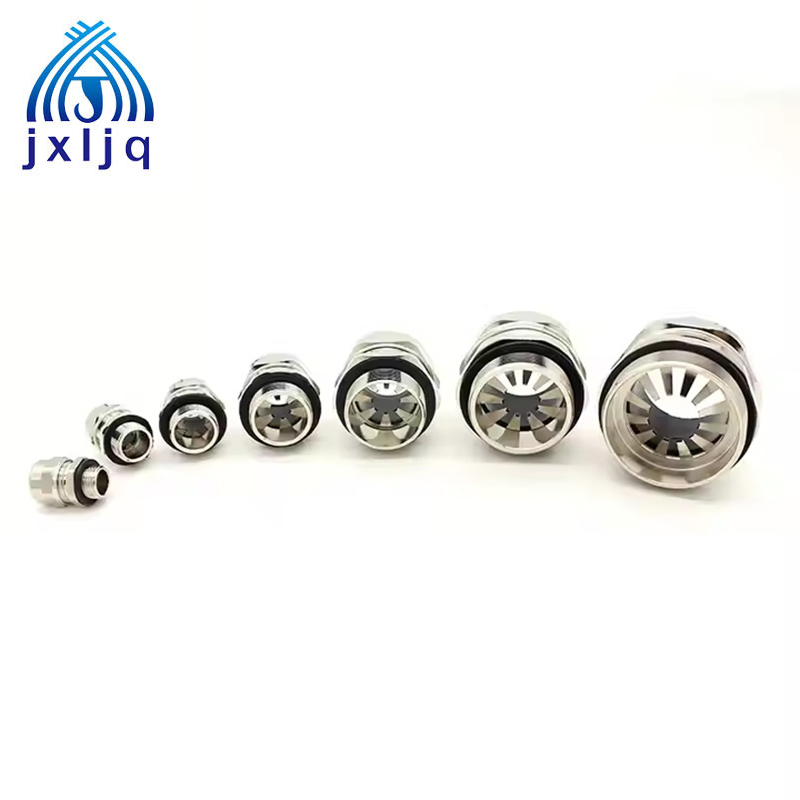
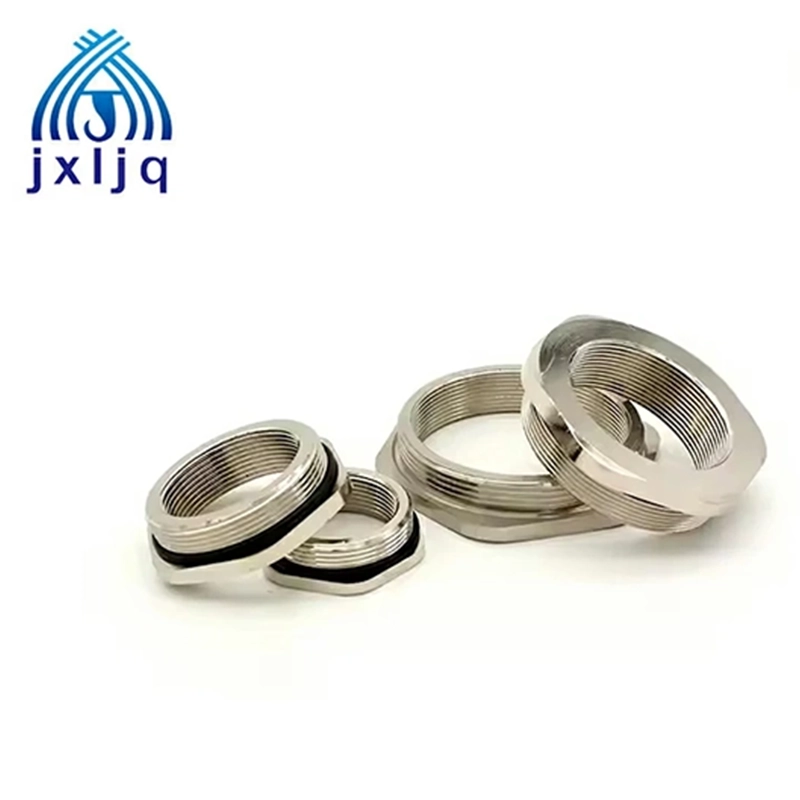
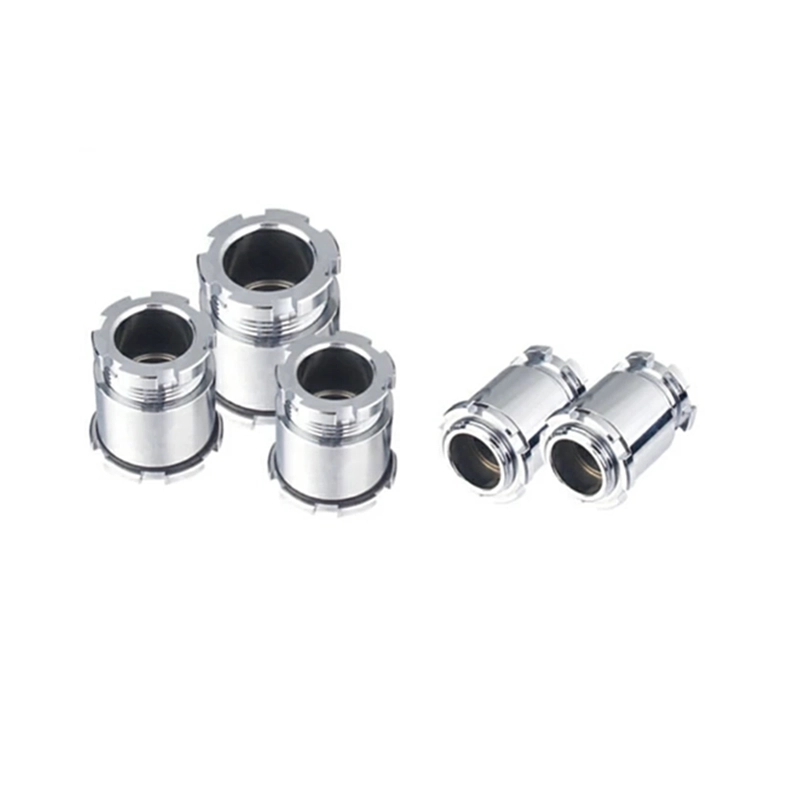
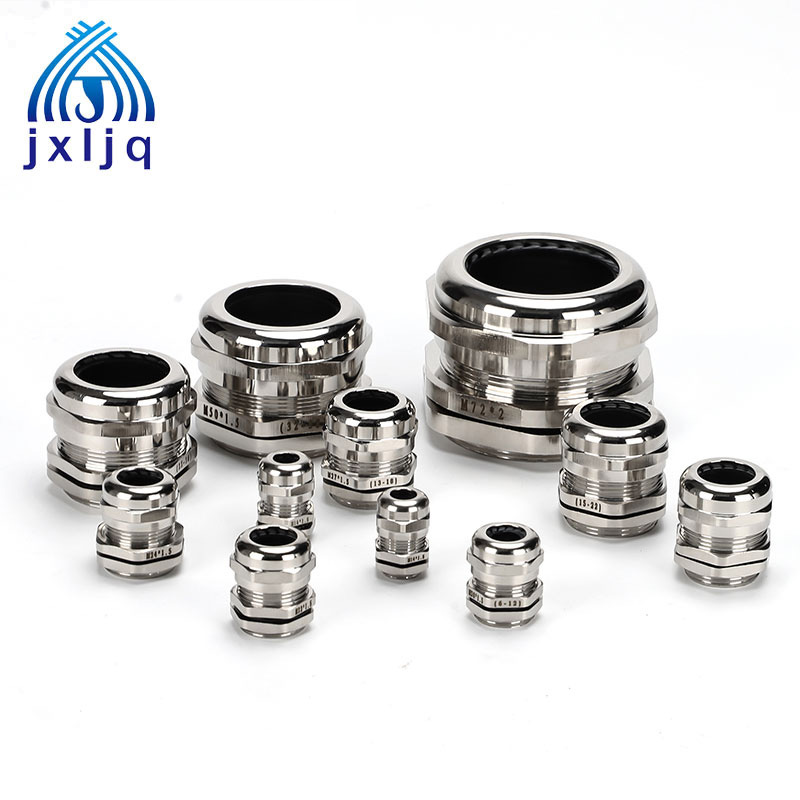
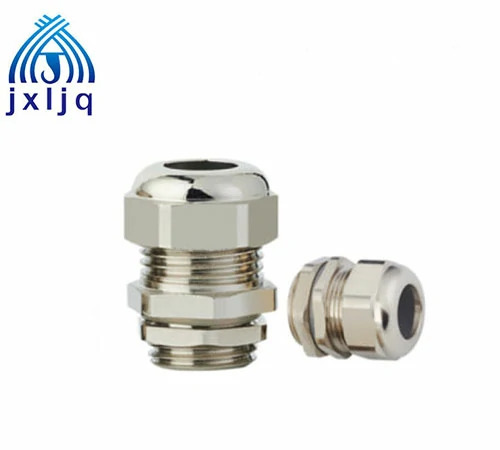
A Brass Cable Gland is the barrier between your electrical system and the elements. It seals the cable entry point, keeping moisture, dust, and contaminants out of enclosures. Quality brass cable glands are finely processed with good conductivity, corrosion resistance, and high temperature resistance, suitable for connection needs across construction, power equipment, and machinery manufacturing.
This guide covers when a brass cable gland becomes essential, the key features that define quality, and what to look for when sourcing reliable cable protection for demanding environments.
Environments That Demand a Brass Cable Gland
Brass cable glands are not optional in certain environments. They're the difference between a system that runs reliably and one that fails prematurely.
Outdoor Lighting — Rain, Snow, and Condensation
Lighting systems, whether for indoor or outdoor applications, rely on secure interconnections to ensure reliable performance. A single point of water ingress can take down an entire lighting circuit. Brass cable glands protect these connections from rain, snow, and condensation, providing the durability that outdoor installations demand.
Charging Stations — The EV Infrastructure Backbone
The function of new energy connectors is to ensure the high-voltage interconnection system of the vehicle — building a bridge where the internal circuit is blocked or isolated, so that current can flow. Charging stations are exposed to the elements around the clock, and the cable entry points are vulnerable. Brass cable glands are essential for maintaining uninterrupted power delivery.
Petrochemical Industry — Where Failure Isn't an Option
In oil storage and transportation pipelines, the internal connectors are selected for flexible installation, lower working pressure, and effective tensile stress at each equipment connection. In these environments, moisture and corrosive chemicals are constant threats. A failed gland means a shutdown — and in petrochemical facilities, shutdowns are expensive and dangerous.
Marine Vessels — Saltwater and Constant Humidity
A supply ship at sea uses sealed connectors for its internal fire-fighting pipelines and liquid pipelines, effectively connecting multiple internal devices to ensure stable operation. Saltwater is corrosive. Humidity is constant. Vibration is everywhere. Brass cable glands with high-quality sealing are non-negotiable.
Quality That Starts with the Material
Not all cable glands are built the same. The material and design details determine whether a gland protects for years or fails in months.
Material Quality — Brass with Precision Processing
The brass body is the foundation of the gland's performance. Finely processed brass provides good conductivity, corrosion resistance, and high temperature resistance. Brass doesn't rust like steel and doesn't crack like plastic. It maintains its structural integrity across temperature extremes and mechanical stress, making it the preferred material for industrial cable entry protection.
Silicon Rubber Seal — The Critical Barrier
The silicon rubber seal is what actually stops water and dust from entering the enclosure. Silicon rubber provides excellent compression set resistance and temperature stability. The seal compresses around the cable when the gland nut is tightened, creating a watertight barrier that maintains its seal across temperature cycles. Quality brass cable glands use silicon rubber sealing to provide high-quality cable protection for industrial and commercial applications.
Temperature Range — From Freezing to High Heat
Industrial environments rarely stay at room temperature. Brass cable glands handle temperatures from freezing cold to the high heat of electrical rooms and machinery enclosures. The combination of brass and silicon rubber maintains its seal across the temperature range, unlike plastic glands that become brittle in cold or soften in heat.
IP Ratings and Standards — What They Actually Mean
When specifying brass cable glands, the protection rating and compliance standards tell you what the gland can actually withstand.
The IP Rating — Dust and Water Protection
The IP (Ingress Protection) rating tells you how well the gland keeps out solids and liquids. For outdoor installations, an IP rating of at least IP65 ensures protection against dust and water jets. IP68 provides protection against continuous immersion — essential for marine and submersible applications.
International Standards Compliance
Cable glands must meet the electrical codes of the installation location. Quality brass cable glands are designed and manufactured for a variety of environments, covering a wide range of international installation codes from IEC to NEC. Compliance with these standards ensures that the gland meets safety requirements and can be specified with confidence for projects in different regions. Technical data sheets, installation guides, and FAQs are available to help customers understand the technical aspects.
| Application | Key Threat | Recommended IP Rating |
|---|---|---|
| Outdoor lighting | Rain, condensation | IP65–IP67 |
| Charging stations | Rain, dust, UV | IP67–IP68 |
| Petrochemical | Moisture, chemicals, corrosion | IP67–IP68 |
| Marine vessels | Saltwater, humidity | IP68 |
| Industrial facilities | Dust, coolant, washdowns | IP65–IP67 |
Answers to the Questions Buyers Ask Most
What's the difference between brass and plastic cable glands?
Brass glands offer superior mechanical strength, corrosion resistance, and temperature stability compared to plastic glands. Brass doesn't crack under vibration, doesn't degrade from UV exposure, and maintains its seal across a wider temperature range. Plastic glands are lighter and cheaper but fail sooner in demanding environments. Brass cable glands are suitable for connection needs across construction, power equipment, and machinery manufacturing.
How do I choose the right thread size and cable diameter range?
Start with the cable diameter — the gland must accommodate the outer diameter of the cable you're using. Then match the thread size to the enclosure's knockout or the conduit fitting. Common thread sizes include M12 through M63, With PG, G and NPT optionsWith PG, G and NPT options. Technical resources including data sheets and installation guides are available to help customers understand product specifications.
What is the operating temperature range for brass cable glands?
The combination of brass body and silicon rubber seal provides reliable performance across a wide temperature range, from sub-zero outdoor conditions to the high heat of electrical enclosures. For specific temperature ratings, consult the manufacturer's technical data sheets.
Can brass cable glands be customized for specific applications?
Yes. Quality brass cable gland manufacturers support customization for a wide range of requirements. They have invested heavily in quality testing facilities to ensure that every product that leaves the factory meets high standards. Custom thread sizes, cable ranges, and sealing materials are available to match specific application requirements.
Why JIXIANG Delivers Quality You Can Count On
Choosing the right supplier matters as much as choosing the right product. A reliable gland is only as good as the manufacturing quality behind it.
JIXIANG has over 15 years of experience in waterproof cable connector manufacturing. The company designs and manufactures cable glands and fittings for a variety of environments, Every product undergoes rigorous quality testing — the company has invested heavily in quality testing facilities to ensure that every product that leaves the factory meets high standards.
The brass cable glands are finely processed with good conductivity, corrosion resistance, and high temperature resistance. They're suitable for connection needs in construction, power equipment, and machinery manufacturing, providing stable and durable connections.
For procurement managers, the combination of material quality (brass with precision processing), certification coverage, and testing infrastructure makes JIXIANG a supplier worth evaluating. Before you commit to a large order, request samples and test them in your actual installation conditions. A cable gland that seals in the lab but fails in the field isn't worth the savings.
Ready to specify brass cable glands for your project? Reach out to JIXIANG's team — they can provide product samples, technical data, and configuration recommendations based on your specific application requirements.