EN
EN
Can a Marine Cable Gland Withstand IP68 Saltwater?
You're specifying cable entries for a vessel or offshore platform, and the environment is working against you. Salt spray, constant vibration, and temperature swings attack every component. A Marine Cable Gland built for these conditions uses corrosion-resistant materials and multi-layer sealing to keep water and contaminants out of the enclosure. This article explains what makes a gland suitable for marine service, how sealing systems differ across protection levels, and what to verify before specifying cable entries for your shipboard or offshore installation.
What Materials Stand Up to Saltwater Exposure?
Standard brass fittings, even with nickel plating, eventually succumb to a phenomenon called dezincification in seawater exposure. Zinc leaches out of the brass alloy, leaving behind a porous, weak copper structure that crumbles under vibration. For locations exposed to salt spray, direct seawater splash, or high-humidity bilge areas, 316 stainless steel is the industry baseline. Unlike 304 stainless, 316 contains molybdenum, which provides specific resistance to chloride-induced pitting. The gland is made of corrosion-resistant materials and is tightly sealed, effectively resisting seawater erosion and salt spray corrosion to ensure stable power and signal transmission.
Brass vs. Stainless Steel for Different Zones
Brass with chromium plating is suitable for accommodation areas and protected locations. For weather decks, engine rooms, and offshore platforms, 316 stainless steel provides the chloride resistance that brass cannot match. Bronze and nickel-aluminum bronze are sometimes specified for underwater applications.
Temperature Ratings for Engine Room and Deck
The operating temperature range for static conditions is -40°C to 110°C, with short-time resistance up to 120°C. For dynamic conditions, the range is -20°C to 80°C, with an instantaneous maximum of 100°C. These ratings cover the temperature extremes found in engine rooms, on deck, and in cargo holds.
How Does the Sealing System Keep Water Out?
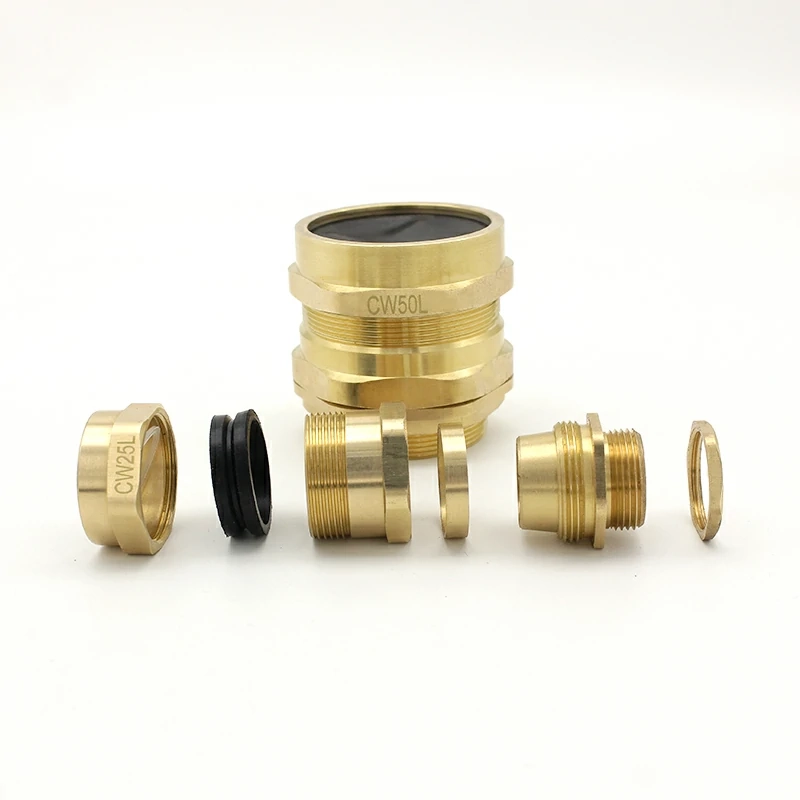
A standard IP66 fitting uses a single rubber grommet that compresses around the cable when you tighten the nut. On a vessel, nothing stays still. Engine vibration, hull flexing, and wave impact create cyclical movement. Over weeks, a standard grommet can cold flow, gradually relaxing its grip. Marine-specific designs incorporate either a double-compression mechanism (two independent sealing points) or a conical claw that bites axially into the cable jacket. The latter is particularly effective for unarmored cables, which are common for lighting and general power circuits.
Double-Compression Sealing for Vibration Environments
Two independent sealing points share the load, so if one seal relaxes slightly under vibration, the second maintains the barrier. This design is essential for engine rooms and pump rooms where constant motion is unavoidable.
Matching Ingress Protection to Deck Location
Different zones of a vessel have different requirements. Accommodation and bridge areas typically need IP44 or IP54 for splash protection. Engine rooms, pump rooms, and weather decks require IP66 minimum for protection against powerful water jets. Bow thruster compartments and bilge areas require IP68 for continuous immersion protection.
What Specifications Define the Marine Cable Gland Series?
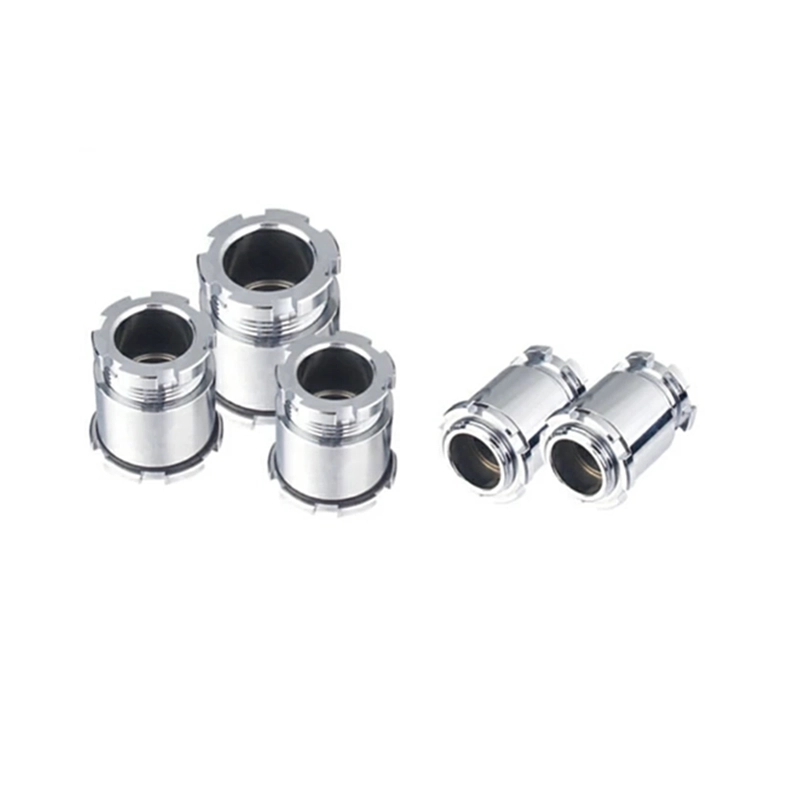
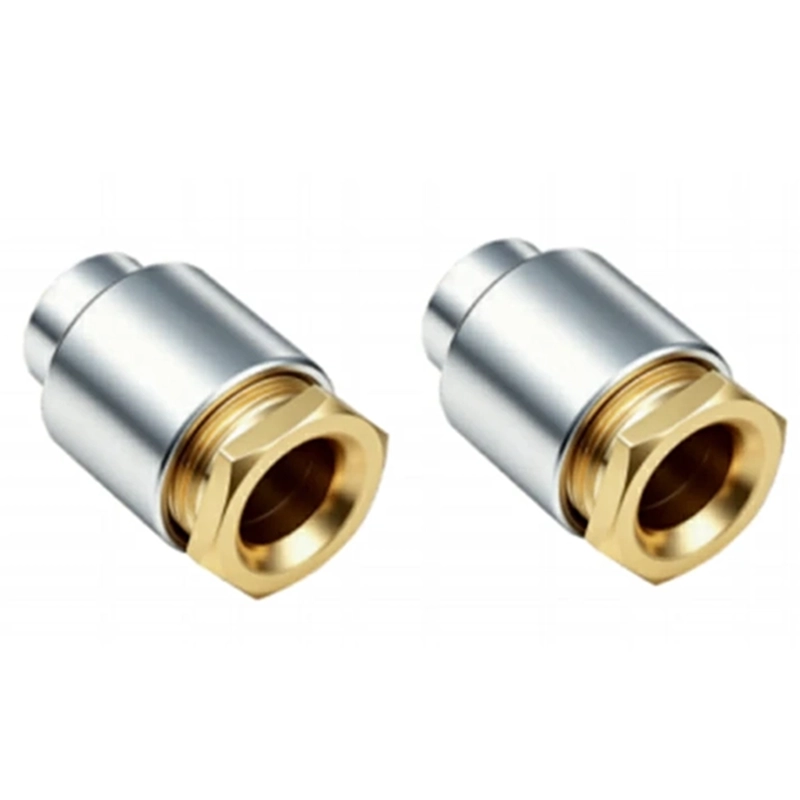
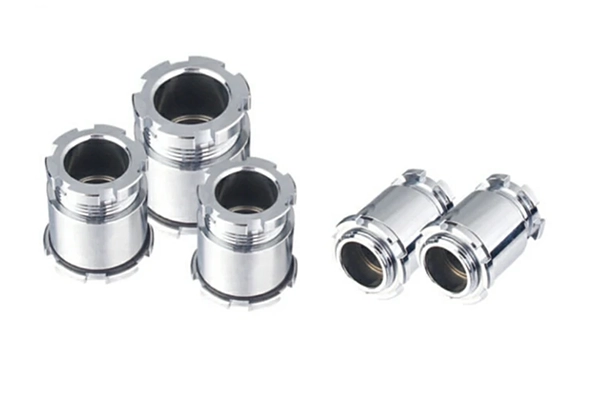
The marine cable gland series covers a range of thread sizes and cable diameters. The TJ clamping type accepts cables from 5mm to 57mm, with thread sizes from M16 to M71. The material for the D and D1 parts is brass with chrome plating, and the clamping ring is made of NBR rubber.
| Parameter | Specification |
|---|---|
| Type | TJ Clamping Type / TH Welded Type / JIS Standard Type |
| Material | Brass, chromium plated; NBR clamping ring |
| Protection Level | IP54 to IP68 (depending on configuration) |
| Static Temperature | -40°C to 110°C (short time 120°C) |
| Dynamic Temperature | -20°C to 80°C (short time 100°C) |
| Thread Sizes | M16 to M71 |
| Cable Range | 5mm to 57mm |
| Certifications | CE, ISO9001, IP68 |
| Application | Ship, machinery, electrical, transportation, oil field |
Thread Sizes and Cable Ranges Across the Series
The TJ series covers gland sizes from TJ-8 (M16 thread, 5-7mm cable) to TJ-58 (M71 thread, 48-57mm cable). This range accommodates the majority of shipboard cable sizes, from small control wires to larger power feeders.
Certification and Compliance
The glands carry CE certification and ISO9001 quality management approval. For marine installations, compliance with international installation codes from IEC to NEC is available, ensuring compatibility with different regulatory environments.
Where Do Marine Cable Glands Fit in Shipboard Systems?
The gland is a cable sealing device used to ensure the safety of cable connections in marine environments such as ships, marine engineering, and offshore oil platforms. It is suitable for all types of unarmored marine electrical cable fittings and can be used in meters, machines, transportation, medicine, and oil field applications.
-
Shipboard lighting — interior and exterior lighting circuits requiring reliable sealed entries
-
Engine room control panels — high-vibration, high-temperature environments with oil mist exposure
-
Deck junction boxes — weather-exposed enclosures requiring IP66 protection
-
Offshore platform instrumentation — continuous immersion risk in splash zones and bilge areas
-
Marine engineering projects — dockside power and communication connections
Shipboard Lighting and Power Distribution
Lighting circuits run throughout the vessel, from the bridge to the engine room to the weather deck. Each transition through a bulkhead or enclosure wall requires a sealed cable entry. The marine cable gland provides that seal while maintaining the electrical connection.
Engine Room and Offshore Platform Installations
Engine rooms combine high temperatures, constant vibration, and limited access. Offshore platforms add salt spray and wave impact to the equation. The gland's corrosion-resistant materials and double-compression sealing are designed for these conditions.
Common Questions About Marine Cable Glands
What is the difference between IP66 and IP68?
IP66 protects against powerful water jets from any direction. IP68 protects against continuous immersion under specified conditions. For weather decks, IP66 is typically sufficient. For bilge areas or compartments subject to flooding, IP68 is required.
Can the gland be used with armored cable?
The TJ clamping type is designed for unarmored cables. For armored cable, a different gland type with an armor clamping cone would be required. The conical claw design of the TJ type bites into the cable jacket for secure retention.
What maintenance does the gland require?
The gland requires no routine maintenance beyond periodic inspection of the seal for cracking or hardening. If the sealing gasket shows signs of degradation, it should be replaced to maintain the protection rating.
What certifications should I verify?
Look for CE, ISO9001, and IP68 certification. The manufacturer should be able to provide test reports and material certificates for marine-grade installations.
Request a Marine Cable Gland Configuration for Your Vessel
A Marine Cable Gland with corrosion-resistant construction and IP68 sealing is the practical choice for shipboard and offshore cable entries that demand long-term reliability. The marine waterproof cable glands from Jixiang deliver M16 to M71 thread sizes, 5mm to 57mm cable range, IP54 to IP68 protection levels, and CE/ISO9001 certification. Contact Jixiang for a marine cable gland configuration assessment → their team can help you select the right type, material, and thread size for your specific vessel or platform requirements.