EN
EN
Why Longer Thread in Waterproof Cable Gland?
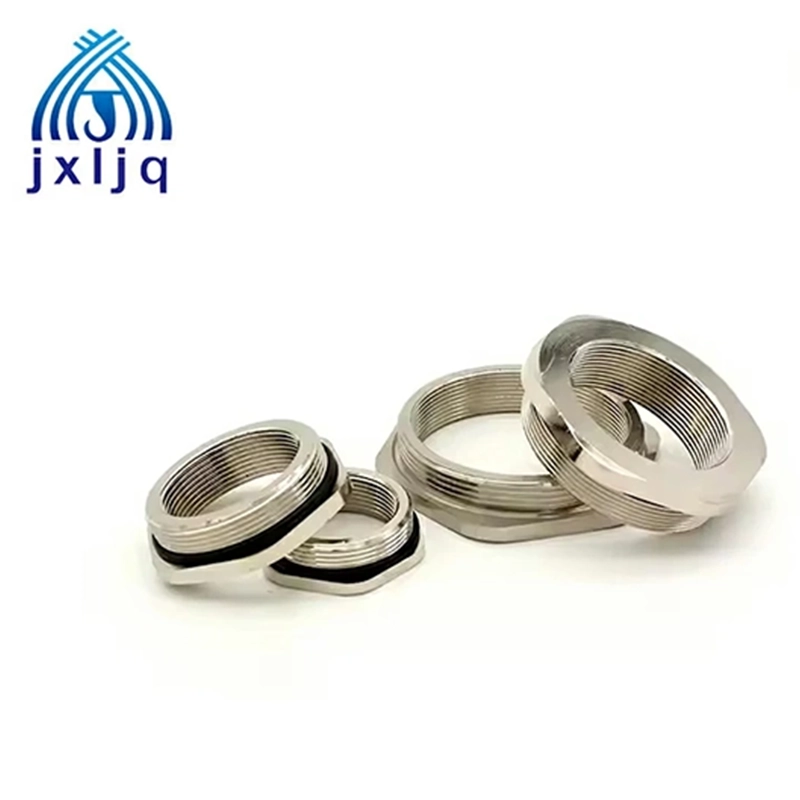
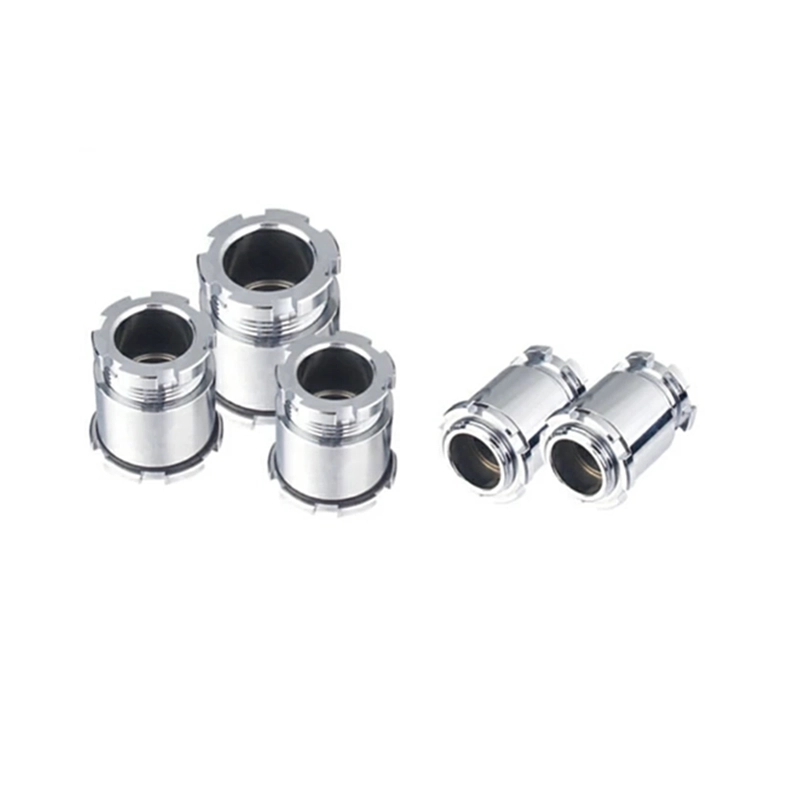
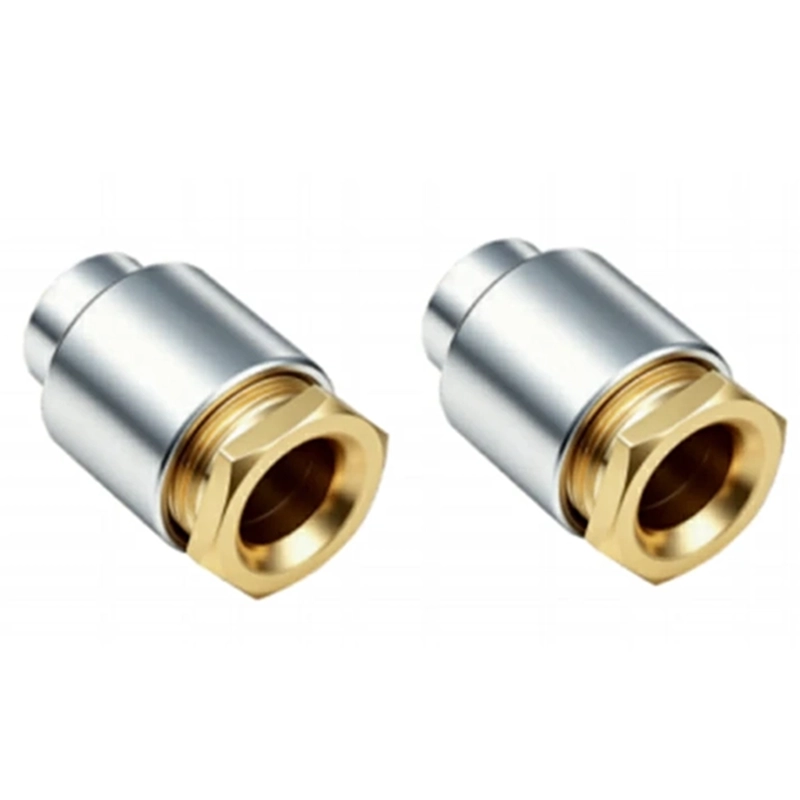
You have a thick-walled electrical enclosure sitting in a marine environment. The cable entry point must stay dry. You reach for a standard cable gland, thread it through the hole, and the locknut barely catches—or worse, it doesn‘t reach at all. That’s the problem a longer thread solves. A Waterproof Cable Gland with extended brass thread is designed specifically for thick panels where standard threads fall short. It reaches through the wall so the locknut has enough thread to engage, compressing the internal seal against the cable. This guide explains why thread length matters, how the nickel‑plated brass construction and NBR seal work together to keep IP68 protection reliable, and how to select the right size for your application.
What happens when the enclosure wall is too thick
Standard thread lengths work perfectly for thin sheet metal enclosures. But heavy‑duty equipment—marine switchgear, industrial control panels, outdoor lighting columns—uses thick-walled enclosures. The standard thread doesn‘t reach through, leaving the locknut with insufficient grip. A longer thread extends 12–16 mm or more past the enclosure wall, giving the locknut ample engagement surface. This seemingly minor change separates a secure installation from a cable entry point that loosens under vibration. For thick panels up to 12 mm or more, the extended thread ensures full locknut engagement. When the threaded portion is too short, over-tightening can strip the first few threads; a longer design distributes clamping force more evenly across a greater engaged length.
The sealing mechanism: how a brass gland keeps water out
Waterproof performance comes from the compression seal, not the metal body. The brass body provides mechanical strength; the PA (polyamide) claw and NBR (nitrile rubber) sealing ring create the actual barrier. As you tighten the locknut, the gland body compresses the rubber ring radially against the cable jacket. Simultaneously, the PA claw grips the outer sheath, providing strain relief. Tighten the locknut, and the seal compresses. Stop tightening when the locknut is secure and the cable can‘t be pulled out by hand. Excessive torque crushes the rubber or damages the cable, and insufficient torque leaves a path for moisture. On the JIXIANG longer thread series, the working temperature ranges from -40°C to 120°C (static) and -20°C to 100°C (dynamic), with the sealing ring rated to withstand water, dust, salt, acid, alcohol, oil, and common solvents.
Brass with nickel plating or stainless steel – picking the right material
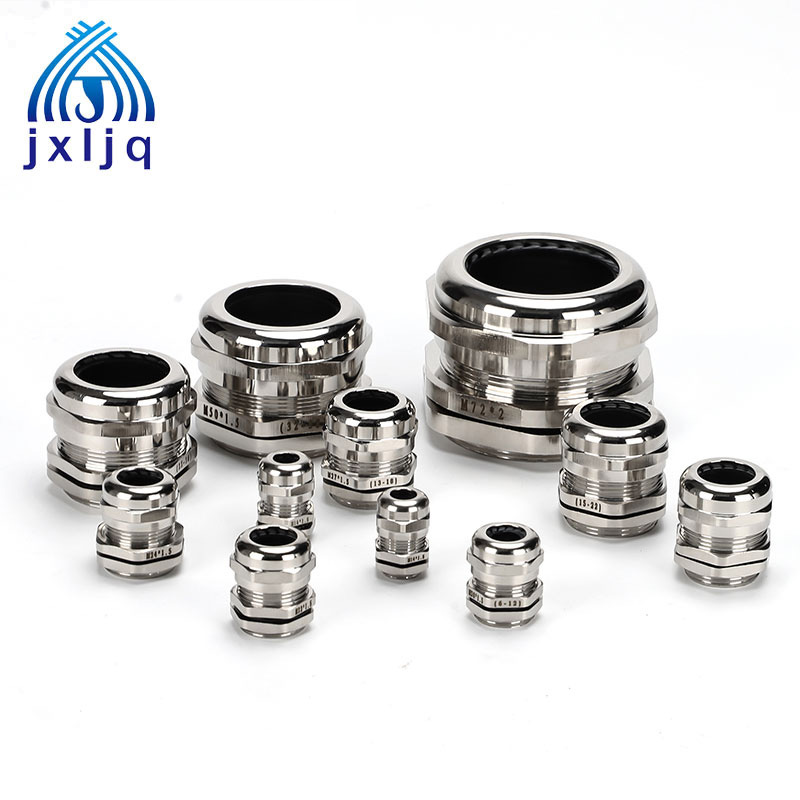
Most waterproof glands in this class are made of nickel‑plated brass, not solid brass or stainless steel. The nickel plating provides a hard, corrosion‑resistant surface that withstands salt spray, humidity, and chemical exposure better than unplated brass. It’s the standard choice for most industrial, marine, and outdoor applications because it balances cost and durability.
Nickel‑plated brass offers excellent corrosion resistance for the price point, handling salt, acid, alcohol, oil, and common solvents. Stainless steel is more corrosion‑resistant overall, but costs significantly more. For environments with constant saltwater immersion or strong acids, stainless steel is worth the premium. For general industrial use, nickel‑plated brass is the industry standard.
Matching thread size and cable diameter – a quick guide
Selecting the correct gland starts with two measurements: the cable diameter and the enclosure thread hole. The JIXIANG longer thread series covers cable ranges from 2 mm to 80 mm across metric threads from M8 to M100. For each thread size, the product code indicates both thread diameter and cable range. For example, JX-M20L fits M20×1.5 threads and accepts cables from 6 to 12 mm. The “L” suffix denotes longer thread length. Choose a gland where your cable diameter falls in the middle of the range, not at the absolute minimum or maximum. This ensures the rubber seal compresses sufficiently without overstressing. The IP68 rating (tested at 5 bar water pressure) indicates the assembly can withstand continuous immersion beyond 1 meter depth.
.jpg)
Three installation mistakes that ruin a waterproof seal
Overtightening the locknut. The most frequent field failure is crushing the NBR seal or cracking the PA claw by applying excessive torque. Tighten firmly until the cable cannot be pulled out by hand, then stop.
Using the wrong cable range. Forcing a 10 mm cable into a gland rated for 6–12 mm works, but pushing a 13 mm cable into the same gland damages the seal. Always match the cable diameter to the specified range, staying away from the extremes.
Omitting the locknut on thin panels. On enclosures thinner than the standard thread length, the locknut goes on the inside. Some installations skip it, relying only on panel threads, which provides no strain relief and a poor seal.
Questions electrical specifiers actually ask
Q: Why would I choose a longer thread over a standard thread cable gland?
A: Longer thread glands are essential for thick-walled enclosures—industrial control panels, marine switchgear, and heavy machinery—where the enclosure wall thickness exceeds the standard thread length. Without the extended thread, the locknut won‘t reach, leaving the gland loose. The longer version ensures the locknut fully engages.
Q: How long does the seal last in outdoor, high‑UV environments?
A: The NBR (nitrile rubber) sealing ring performs well against oils and chemicals but degrades under prolonged direct UV exposure. For UV‑intensive outdoor applications, consider glands with silicone or EPDM seals. JIXIANG’s nickel‑plated brass body resists corrosion, but the rubber seal is the long‑term component.
Q: Can the same gland work for both indoor and outdoor use?
A: Yes. The nickel‑plated brass construction and NBR seal deliver IP68 protection suitable for both indoor and outdoor installations, provided the gland is correctly installed. It withstands water, dust, salt, acid, alcohol, oil, and common solvents. Outdoor use in direct sunlight does not harm the brass body, though the rubber seal may weather over time.
Engineered for demanding conditions
When cable entry points must stay dry in demanding conditions—marine, industrial automation, renewable energy, or heavy machinery—the quality of the waterproof gland determines system reliability. JIXIANG Connectors manufactures nickel‑plated brass cable glands with metric threads from M8 to M100, covering cable diameters from 2 mm to 80 mm. Each gland is CE, TUV, and ISO9001 certified. The longer thread series is machined specifically for thick‑panel applications where standard glands fall short.
With over 12 years of experience in waterproof cable connector manufacturing, JIXIANG supports its products with technical data sheets, installation guides, and online technical resources. The company has invested in quality testing facilities to ensure every product meets high standards before leaving the factory. JIXIANG designs and manufactures cable glands for a variety of environments, covering a wide range of international installation codes from IEC to NEC.
→ Request a quote from JIXIANG Connectors for the Longer Thread Brass Cable Gland — Share your cable diameter (mm), required thread size (M8 to M100), and application environment (marine, industrial, outdoor). Their technical team can recommend the right IP68 waterproof cable gland for your specific enclosure wall thickness.