EN
EN
Can a Brass Cable Gland Survive the Toughest Conditions?
You're specifying components for an installation that will face salt spray, temperature extremes, and constant moisture. The cable gland is a small part, but if it fails, the entire system is compromised. A brass cable gland that corrodes, leaks, or seizes in the fitting isn't just an inconvenience—it's a failure point that can take down critical equipment. The JX series waterproof brass cable gland was engineered for the toughest conditions: nickel-plated brass construction that resists salt, acid, and grease, IP68 sealing that holds under continuous immersion, and an operating range from -40°C to 100°C. This article examines what makes this cable gland capable of surviving harsh environments—from the material choices that prevent corrosion to the sealing design that keeps moisture out.
The Two Questions That Define a Gland's Survivability
Corrosion Protection and Seal Integrity Under Pressure
Q: How does the gland resist corrosion in harsh environments?
A: The gland is constructed from nickel-plated brass and is resistant to salt, acid, alcohol, grease, and common solvents. The nickel plating provides a protective barrier that prevents the brass from corroding even in marine or industrial environments where bare brass would quickly degrade.
Q: What does the IP68 rating actually mean for real-world protection?
A: IP68 is the highest ingress protection rating for cable glands. It means the gland is completely dust-tight and can withstand continuous immersion in water beyond 1 meter. For outdoor, marine, and underground installations, this rating provides documented assurance that moisture won't compromise the seal.
Nickel-Plated Brass — The Material That Fights Corrosion
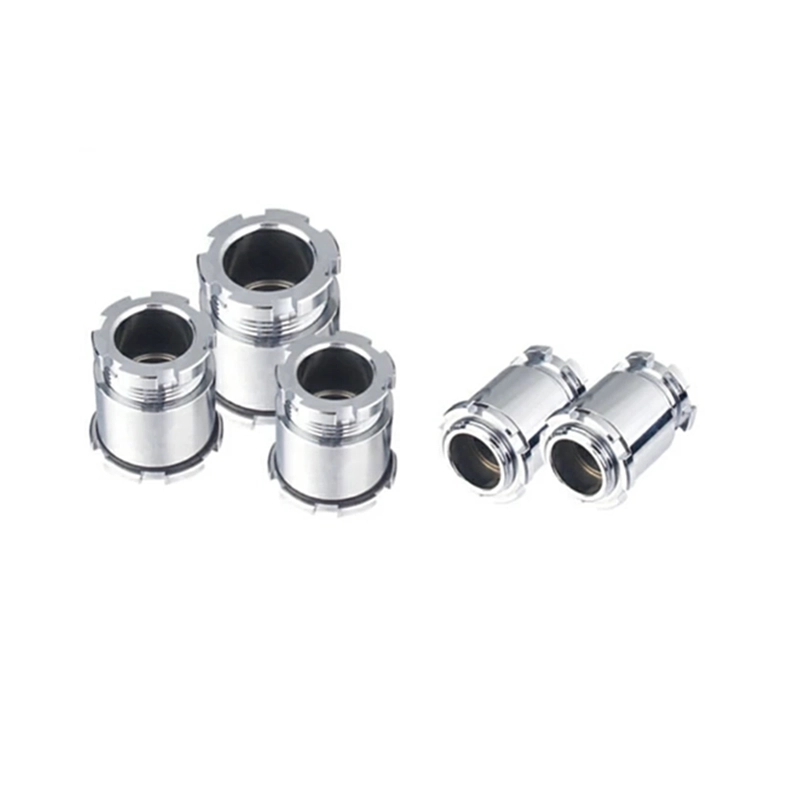
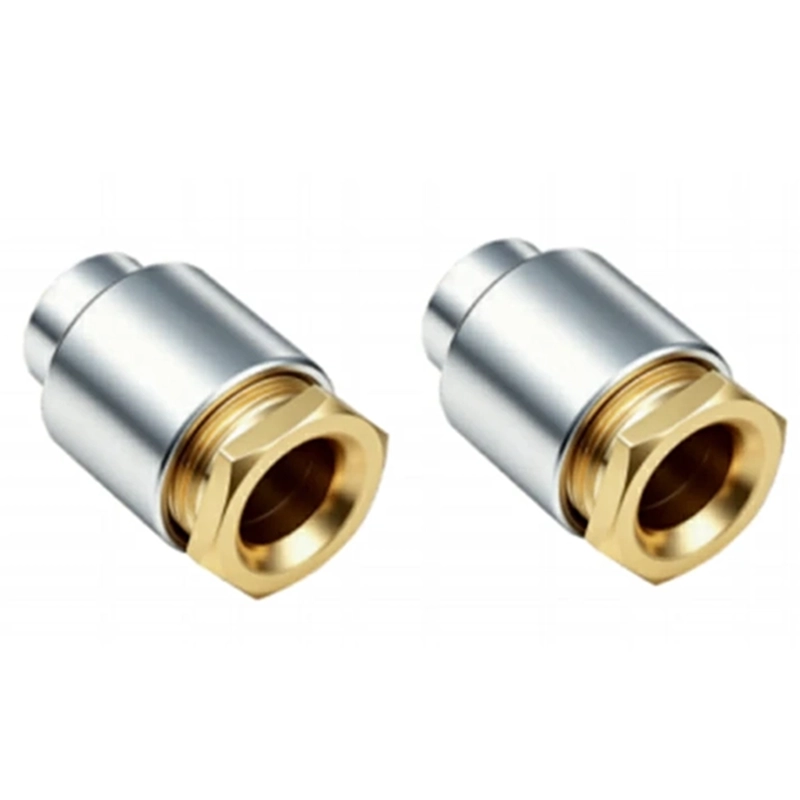
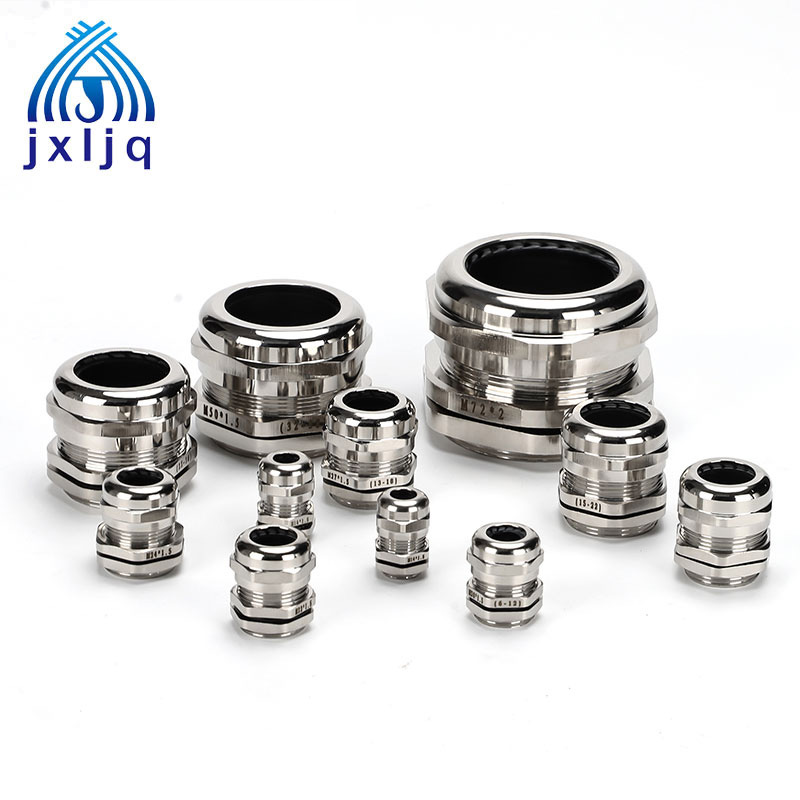
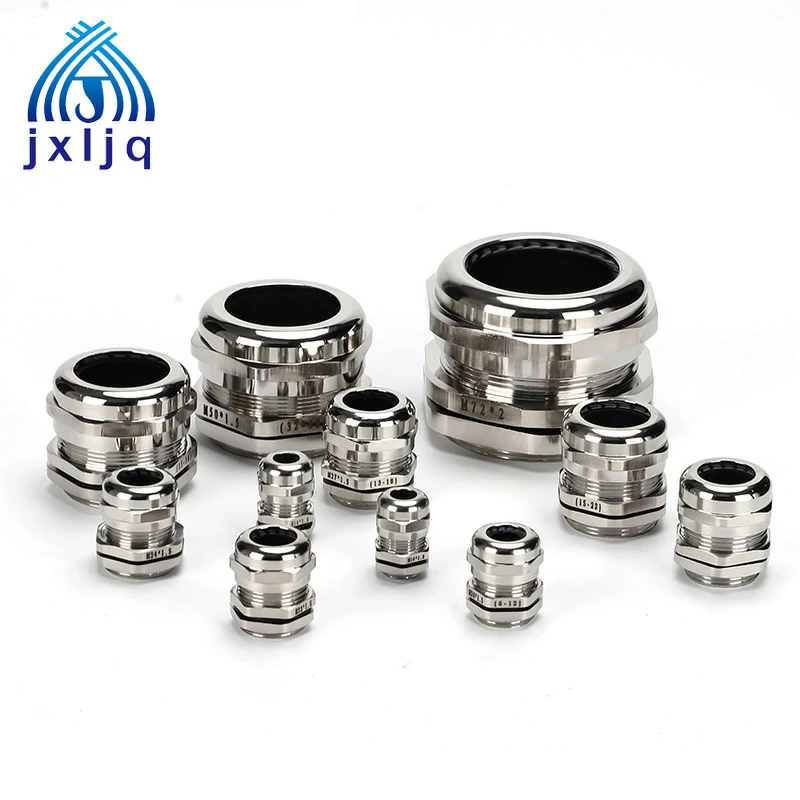
The material of a cable gland determines its durability in harsh environments. The JX series uses nickel-plated brass construction, with the nickel plating providing corrosion resistance that extends the service life of the gland.
What Nickel Plating Actually Delivers in the Field
Nickel plating provides a barrier against corrosion without compromising the mechanical strength of the brass body. Unlike bare brass, which can tarnish and corrode in marine or industrial environments, the nickel-plated surface maintains its integrity and appearance over years of service. The plating also resists the salt, acid, alcohol, grease, and common solvents that would attack unplated brass.
Why Corrosion Resistance Matters for Long-Term Reliability
A corroded cable gland can seize in the fitting, making maintenance difficult or impossible. It can also compromise the seal, allowing moisture to enter the enclosure. The JX series' nickel-plated construction prevents both problems, ensuring that the gland remains serviceable and sealed throughout its service life.
IP68 Sealing — Protection That Holds Under Pressure
The JX series carries an IP68 waterproof rating. This isn't a vague "waterproof" claim—it's a specific standard that defines exactly what the gland can withstand.
What IP68 Means in Practice
IP68 means the gland is dust-tight and can withstand continuous immersion in water under conditions specified by the manufacturer. For cable glands, this typically means immersion at significant depths for extended periods—the level of protection required for outdoor, marine, and underground installations.
Sealing Ring and O-Ring — Two Layers of Protection
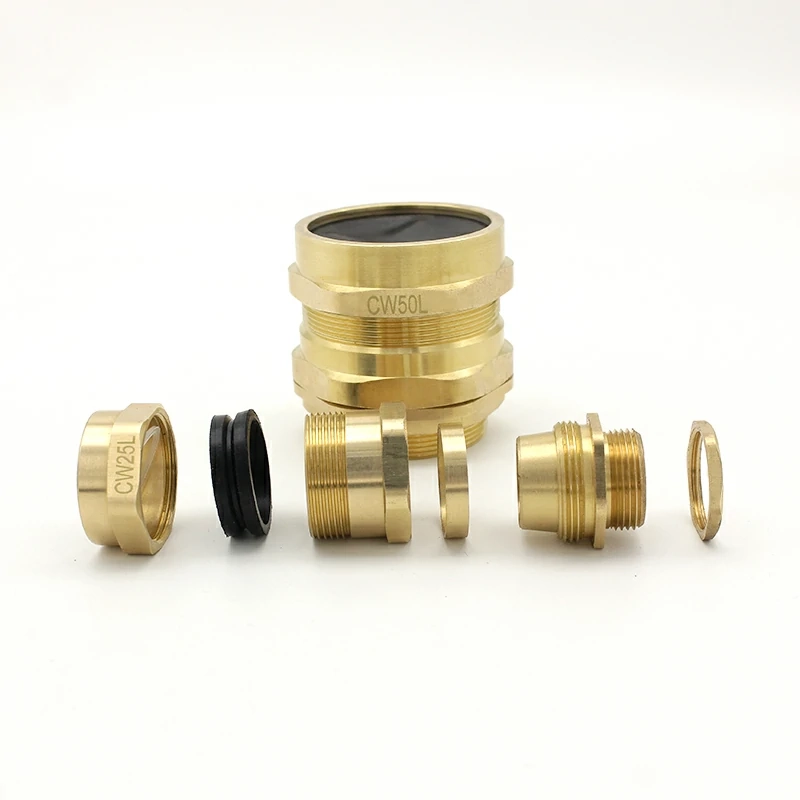
The gland uses a sealing ring that compresses around the cable when the gland nut is tightened, plus an O-ring seal that protects the housing from moisture ingress at the thread connection. This two-layer approach ensures that water doesn't travel along the threads or around the cable into the enclosure.
Wide Temperature Range — Performance from -40°C to 100°C
The JX series operates reliably in temperatures from -40°C to 100°C. This range covers extreme environments from freezing outdoor installations to high-ambient industrial settings.
What -40°C to 100°C Covers in the Real World
This range encompasses almost every terrestrial climate—from cold-weather outdoor installations in northern latitudes to hot industrial environments near furnaces or in desert regions. The gland's materials maintain their sealing properties and mechanical strength across this entire range.
Why Temperature Extremes Test Cable Glands
At low temperatures, some materials become brittle and lose their sealing ability. At high temperatures, others soften and deform. The JX series is engineered to maintain its seal and structural integrity across the full -40°C to 100°C range, so you're not replacing glands seasonally.
Full Specification Range — Finding the Right Fit for Your Cable
The JX series covers a wide range of thread sizes and cable diameters. This isn't a limited product line—it's a comprehensive range that covers most common cable gland applications.
Metric Thread Options from M6 to M150
The series includes metric thread sizes from M6×1 up to M150×2. This range covers small instrument cables through large power cables, so you can standardize on one gland family for multiple cable sizes.
Applicable Cable Ranges That Match Your Installation
Each thread size covers a specific cable diameter range. For example, the M6×1 gland covers cables from 5.5-2mm, while the M150×2 gland covers cables from 44-37mm. This detailed specification ensures you can select the exact gland for your cable without guessing or using adapters.
Customization Options for Special Requirements
The product page notes that customization is acceptable. For installations with unique requirements—non-standard thread sizes, specific plating finishes, or special sealing materials—custom options are available upon inquiry.
Specifications at a Glance — JX Series Cable Glands
| Code | Thread AG | Cable Range (mm) | Thread O.D. (mm) | Mounting Hole (mm) | Thread Length (mm) | Joint Length (mm) | Spanner Size (mm) |
|---|---|---|---|---|---|---|---|
| JX-M6-NP | M6×1 | 3.5-1 | 6 | 6-6.2 | 5 | 11 | 8 |
| JX-M8-NP | M8×1 | 5.5-2 | 8 | 8-8.2 | 5 | 16 | 12 |
| JX-M10-NP | M10×1 | 6.5-3 | 10 | 10-10.2 | 7 | 19 | 14 |
| JX-M12-NP | M12×1.5 | 6.5-3 | 12 | 12-12.2 | 7 | 19 | 14 |
| JX-M14-NP | M14×1.5 | 8-4 | 14 | 14-14.2 | 7 | 19 | 17 |
| JX-M16-NP | M16×1.5 | 8-4 | 16 | 16-16.2 | 8 | 20 | 18 |
| JX-M18-NP | M18×1.5 | 10-5 | 18 | 18-18.2 | 8 | 21 | 20 |
| JX-M20-NP | M20×1.5 | 12-6 | 20 | 20-20.2 | 8 | 22 | 22 |
| JX-M22-NP | M22×1.5 | 14-10 | 22 | 22-22.2 | 8 | 23 | 24 |
| JX-M24-NP | M24×1.5 | 14-10 | 24 | 24-24.2 | 8 | 25 | 24/27 |
| JX-M25A-NP | M25×1.5 | 14-10 | 25 | 25-25.2 | 8 | 25 | 24/27 |
| JX-M25B-NP | M25×1.5 | 16-8 | 25 | 25-25.2 | 8 | 27 | 27 |
| JX-M25C-NP | M25×1.5 | 18-13 | 25 | 25-25.2 | 9 | 27 | 30/27 |
| JX-M27A-NP | M27×1.5 | 18-13 | 27 | 27-27.2 | 9 | 27 | 30 |
| JX-M27B-NP | M27×2 | 18-13 | 27 | 27-27.2 | 9 | 27 | 30 |
| JX-M28A-NP | M28×1.5 | 18-13 | 28 | 28-28.2 | 9 | 27 | 30 |
| JX-M28B-NP | M28×2 | 18-13 | 28 | 28-28.2 | 9 | 27 | 30 |
| JX-M30A-NP | M30×1.5 | 18-13 | 30 | 30-30.2 | 9 | 29 | 30/32 |
| JX-M30B-NP | M30×2 | 18-13 | 30 | 30-30.2 | 9 | 29 | 30/32 |
| JX-M32A-NP | M32×1.5 | 22-15 | 32 | 32-32.2 | 10 | 29 | 35 |
| JX-M32B-NP | M32×1.5 | 20-16 | 32 | 32-32.2 | 10 | 29 | 35 |
| JX-M32C-NP | M32×2 | 22-15 | 32 | 32-32.2 | 10 | 29 | 35 |
| JX-M33A-NP | M33×1.5 | 22-15 | 33 | 33-33.2 | 10 | 29 | 35 |
| JX-M33B-NP | M33×2 | 22-15 | 33 | 33-33.2 | 10 | 29 | 35 |
| JX-M36A-NP | M36×1.5 | 25-18 | 36 | 36-36.2 | 10 | 31 | 40 |
| JX-M36B-NP | M36×2 | 25-18 | 36 | 36-36.2 | 10 | 31 | 40 |
| JX-M37A-NP | M37×1.5 | 25-18 | 37 | 37-37.2 | 10 | 31 | 40 |
| JX-M37B-NP | M37×2 | 25-18 | 37 | 37-37.2 | 10 | 31 | 40 |
| JX-M40A-NP | M40×1.5 | 25-18 | 40 | 40-40.2 | 11 | 31 | 40/45 |
| JX-M40B-NP | M40×2 | 25-18 | 40 | 40-40.2 | 11 | 31 | 40/45 |
| JX-M40C-NP | M40×1.5 | 30-22 | 40 | 40-40.2 | 11 | 35 | 45 |
| JX-M40D-NP | M40×2 | 30-22 | 40 | 40-40.2 | 11 | 35 | 45 |
| JX-M42A-NP | M42×1.5 | 30-22 | 42 | 42-42.2 | 11 | 35 | 45 |
| JX-M42B-NP | M42×2 | 30-22 | 42 | 42-42.2 | 11 | 35 | 45 |
| JX-M47A-NP | M47×1.5 | 33-25 | 47 | 47-47.2 | 11 | 37 | 50 |
| JX-M47B-NP | M47×2 | 33-25 | 47 | 47-47.2 | 11 | 37 | 50 |
| JX-M48A-NP | M48×1.5 | 33-25 | 48 | 48-48.2 | 11 | 37 | 50/52 |
| JX-M48B-NP | M48×2 | 33-25 | 48 | 48-48.2 | 11 | 37 | 50/52 |
| JX-M50A-NP | M50×1.5 | 38-32 | 50 | 50-50.2 | 12 | 37 | 57/55 |
| JX-M50B-NP | M50×2 | 38-32 | 50 | 50-50.2 | 12 | 37 | 57/55 |
| JX-M54A-NP | M54×1.5 | 38-32 | 54 | 54-54.2 | 12 | 38 | 57 |
| JX-M54B-NP | M54×2 | 38-32 | 54 | 54-54.2 | 12 | 38 | 57 |
| JX-M56A-NP | M56×1.5 | 38-32 | 56 | 56-56.2 | 12 | 38 | 57/59 |
| JX-M56B-NP | M56×2 | 38-32 | 56 | 56-56.2 | 12 | 38 | 57/59 |
| JX-M60A-NP | M60×1.5 | 44-37 | 60 | 60-60.2 | 13 | 38 | 64 |
| JX-M60B-NP | M60×2 | 44-37 | 60 | 60-60.2 | 13 | 38 | 64 |
| JX-M63A-NP | M63×1.5 | 44-37 | 63 | 63-63.2 | 13 | 38 | 64/68 |
| JX-M63B-NP | M63×2 | 44-37 | 63 | 63-63.2 | 13 | 38 | 64/68 |
| JX-M64A-NP | M64×1.5 | 44-37 | 64 | 64-64.2 | 13 | 38 | 64/68 |
| JX-M64B-NP | M64×2 | 44-37 | 64 | 64-64.2 | 13 | 38 | 64/68 |
| JX-M72-NP | M72×2 | 52-42 | 72 | 72-72.2 | 15 | 42 | 78 |
| JX-M75-NP | M75×2 | 55-50 | 75 | 75-75.2 | 15 | 42 | 78 |
| JX-M80-NP | M80×2 | 62-50 | 80 | 80-80.2 | 18 | 46 | 86/88 |
| JX-M88-NP | M88×2 | 70-65 | 88 | 88-88.2 | 18 | 46 | 98 |
| JX-M100-NP | M100×2 | 80-70 | 100 | 100-100.2 | 20 | 50 | 110 |
| JX-M110-NP | M110×2 | 90-80 | 110 | 110-110.2 | 20 | 57 | 120 |
| JX-M120-NP | M120×2 | 102-90 | 120 | 120-120.2 | 20 | 57 | 135 |
| JX-M125-NP | M125×2 | 108-98 | 125 | 125-125.2 | 24 | 65 | 135 |
| JX-M150-NP | M150×2 | 125-110 | 150 | 150-150.2 | 25 | 70 | 160 |
Where the Toughest Conditions Demand the Toughest Glands
The JX series is deployed across multiple industries where cable glands face extreme conditions:
Marine and Offshore Installations
Saltwater is one of the most corrosive environments for electrical components. The JX series' nickel-plated brass construction and IP68 sealing make it suitable for vessel wiring, offshore platforms, and port facilities where salt spray and continuous moisture are the norm.
Industrial and Chemical Processing
The gland's resistance to acid, alcohol, grease, and common solvents makes it suitable for chemical plants, refineries, and industrial facilities where exposure to aggressive substances is routine.
Outdoor and Underground Installations
For outdoor lighting, traffic systems, underground cable runs, and utility installations, the IP68 rating and wide temperature range ensure reliable performance in exposed conditions. The gland maintains its seal whether it's buried, submerged, or exposed to the elements.
HVAC and Building Systems
Building management systems, HVAC equipment, and fire alarm systems all require secure cable entry points. The JX series provides the sealing and durability needed for building services installations that must remain reliable for decades.
Straight Answers on Brass Cable Glands
Q: What is the waterproof rating of the JX series?
A: The gland carries an IP68 waterproof rating, providing protection against dust and continuous immersion.
Q: What materials does the gland resist?
A: The gland is resistant to salt, acid, alcohol, grease, and common solvents.
Q: What thread options are available?
A: The series includes metric thread sizes from M6 to M150. PG and NPT options are also available upon inquiry.
Q: What material is the gland made from?
A: The gland is constructed from nickel-plated brass.
Q: What temperature range does the gland support?
A: The gland operates in temperatures from -40°C to 100°C.
Q: Is customization available?
A: Yes. Customization is acceptable for special requirements.
Get a Quote for Your Cable Management Project
A brass cable gland that survives the toughest conditions starts with the right material, the right seal, and the right specification. The JX series from Jixiang combines nickel-plated brass construction, IP68 sealing, resistance to salt, acid, and solvents, and a -40°C to 100°C operating range—all in a comprehensive range of metric thread sizes from M6 to M150.
Whether you're wiring a marine vessel, an industrial plant, or an outdoor installation, the JX series offers the durability and sealing that cable management professionals require.
Contact Jixiang for a quote or technical consultation → their team can help you select the right thread size and cable range for your specific installation requirements. Get a cable gland that's built for the conditions you face.