EN
EN
Why Does a Marine Cable Gland Need Welding?
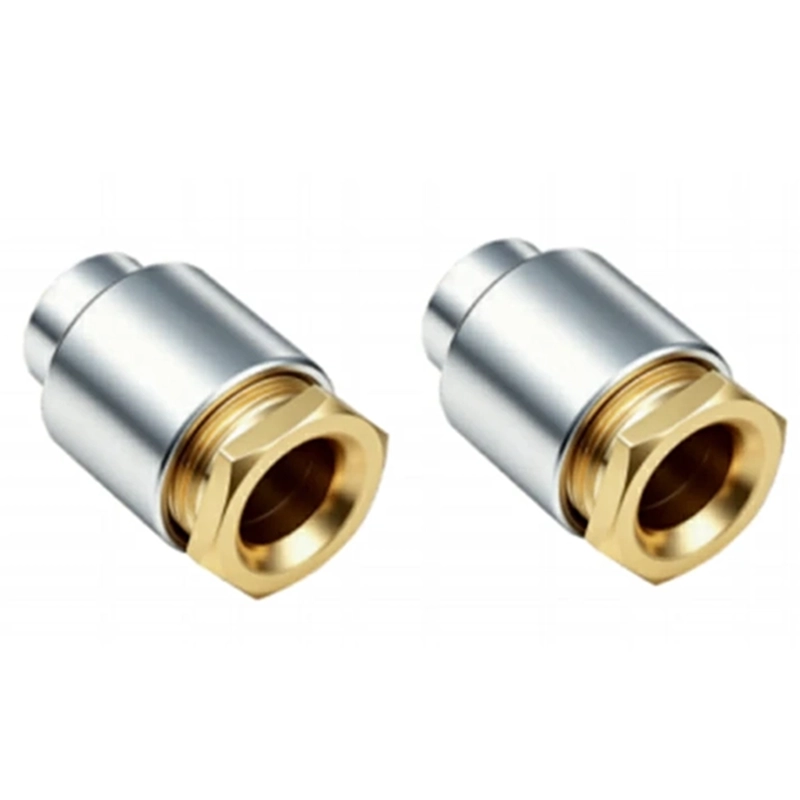
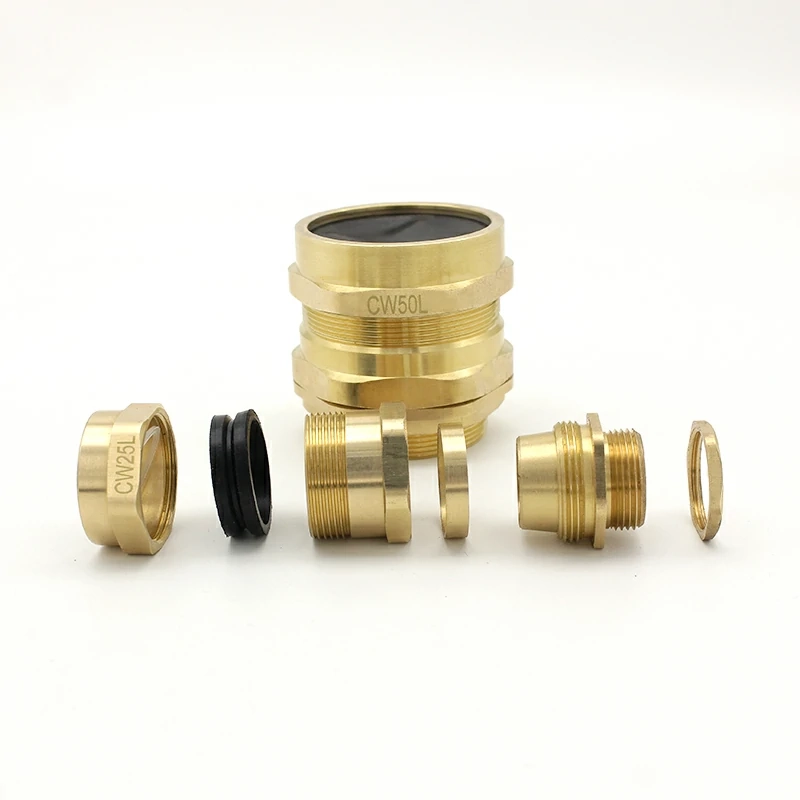
You're specifying cable entry fittings for a shipboard installation, and the question of mounting method comes up. Bolted glands can loosen under vibration. Clamped glands may not provide a permanent seal. A Marine Cable Gland with a welded body creates a permanent, vibration-proof connection to the bulkhead or enclosure. The TH welded type from Jixiang is designed for this exact requirement—it welds directly to the steel structure, eliminating fasteners that can loosen at sea. This article explains what welded installation delivers, how the gland handles the marine environment, and what to verify before specifying a welded type for your vessel or offshore platform.
What Makes Welded Installation Different From Bolted or Clamped Types?
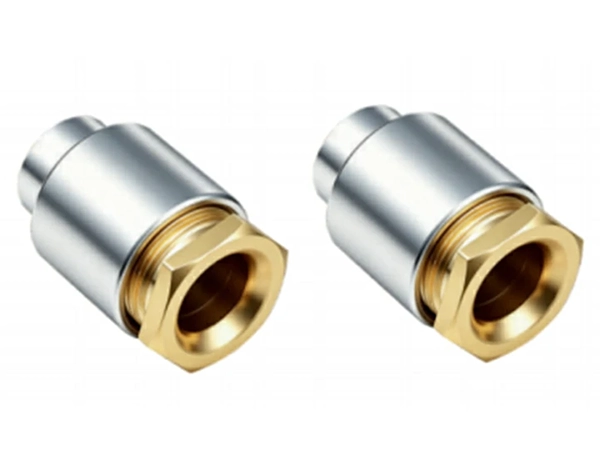
Cable glands come in several mounting configurations: welded, bolted, clamped, and flanged. Each has its place, but they differ in how they attach to the bulkhead or enclosure. The welded type, designated as TH in the standard marine gland classification, is permanently joined to the steel structure by welding. This creates a continuous metallic bond that resists vibration, thermal cycling, and mechanical shock. Bolted glands rely on fasteners that can loosen over time. Clamped glands depend on compression that may relax. The welded type eliminates both failure modes by making the gland and the structure a single unit.
Vibration Resistance for Engine Rooms and Decks
Ships vibrate constantly—from engines, propellers, and wave impact. A bolted gland can work loose over months of service. A welded gland cannot. The permanent weld ensures that the cable entry remains sealed regardless of vibration.
Permanent Sealing Without Fastener Maintenance
Welded glands require no periodic tightening of mounting bolts. Once the weld is completed, the attachment is permanent. This reduces maintenance requirements and eliminates a potential leak path at the mounting interface.
How Does the Gland Handle the Marine Environment?
The marine environment is unforgiving. Salt spray, humidity, temperature swings, and constant vibration attack every component. The TH welded type gland is available in brass and nickel-plated steel, both selected for corrosion resistance in salt-laden air. The gland achieves IP54 protection, which means it is dust-protected and resistant to water splashes from any direction. For deck installations and areas exposed to weather, this level of sealing prevents moisture from reaching the cable entry point. The working temperature range is -40°C to +100°C for static conditions, with an instantaneous maximum of +120°C. For dynamic conditions, the range is -20°C to +80°C, with an instantaneous maximum of +100°C. These ratings cover the temperature extremes found in engine rooms, on deck, and in cargo holds.
Brass and Nickel-Plated Steel for Corrosion Resistance
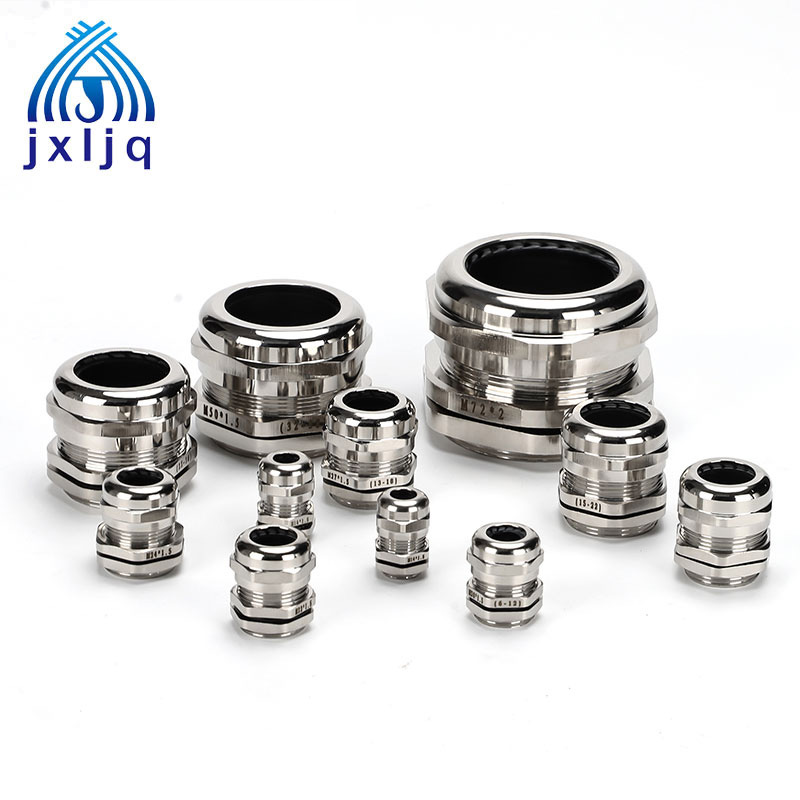
Brass provides natural corrosion resistance and good machinability. Nickel-plated steel adds a harder surface that resists scratching and offers additional protection in aggressive environments. Both materials are suitable for marine use, with the choice depending on the specific location and exposure conditions.
Temperature Ratings for Engine Room and Deck Applications
The -40°C to +100°C static range covers most marine installation points. The dynamic range of -20°C to +80°C accounts for the additional thermal stress of vibration and movement. These ratings ensure reliable performance in both heated machinery spaces and exposed deck locations.
Technical Specifications for Shipboard Installation
| Parameter | Specification |
|---|---|
| Type | TH (Welded Type) |
| Material | Brass, Nickel-Plated Steel |
| Protection Degree | IP54 |
| Static Temperature | -40°C to +100°C (instant +120°C) |
| Dynamic Temperature | -20°C to +80°C (instant +100°C) |
| Thread Sizes | M16×1 to M71×2 |
| Cable Range | 5mm to 57mm |
| Approvals | CE |
| Application | Indoor or outdoor, braided or unarmoured marine cable |
Thread Sizes and Cable Range
The TH series covers thread sizes from M16×1 to M71×2, with cable accommodation from 5mm to 57mm. This range covers the majority of shipboard cable sizes, from small control wires to larger power feeders. The welded length (H1) is 8mm for most sizes, providing sufficient weld area for a secure bond.
Material Options for Different Environments
The gland is available in brass and nickel-plated steel. Brass is the standard choice for most marine applications, offering good corrosion resistance and machinability. Nickel-plated steel provides a harder surface and may be preferred in areas with higher mechanical wear or more aggressive corrosion conditions.
Where Does a Welded Gland Fit in Shipboard Systems?
The TH welded type gland is used wherever a cable passes through a steel bulkhead or enclosure wall and a permanent, sealed connection is required. This includes engine rooms, deck enclosures, control panels, and machinery spaces. The gland is suitable for both braided and unarmoured marine electrical cables.
-
Engine room bulkheads — power and control cable entries that must resist vibration
-
Deck enclosures — weather-exposed cable entries requiring water splash protection
-
Control panels and switchboards — permanent cable entry with a clean, sealed interface
-
Machinery spaces — high-temperature areas where the -40°C to +100°C range is essential
-
Offshore platforms — salt-laden environments demanding corrosion-resistant materials
Engine Room and Machinery Space Applications
Engine rooms combine high temperatures, constant vibration, and limited access for maintenance. The welded gland eliminates the need for periodic bolt tightening, and its IP54 sealing keeps oil mist and moisture away from the cable entry.
Deck and Weather-Exposed Installations
Deck-mounted enclosures face rain, salt spray, and temperature swings. The brass or nickel-plated steel construction resists corrosion, and the IP54 rating provides splash protection that keeps the cable entry sealed in wet conditions.
Answers to Common Questions About Welded Cable Glands
What is the difference between a welded gland and a bolted gland?
A welded gland is permanently attached to the bulkhead by welding, creating a continuous metallic bond. A bolted gland uses fasteners and can be removed or adjusted. Welded glands are preferred where vibration resistance and permanent sealing are critical.
Can the TH gland be used with armoured cable?
The TH gland is designed for braided or unarmoured marine electrical cables. For armoured cable, a different gland type with an armour clamping mechanism would be required.
What protection degree does the gland achieve?
The TH welded type achieves IP54 protection, which is dust-protected and resistant to water splashes from any direction.
What maintenance does a welded gland require?
The welded gland requires no periodic tightening of mounting fasteners. Routine inspection should verify that the weld is intact and the sealing components are in good condition. If the sealing gasket shows signs of degradation, it should be replaced.
Request a Welded Cable Gland Configuration for Your Vessel
A Marine Cable Gland with welded installation, brass or nickel-plated steel construction, and IP54 protection is the practical choice for shipboard cable entries that demand permanent sealing and vibration resistance. The TH Welded Type Marine Cable Gland from Jixiang delivers M16×1 to M71×2 thread sizes, 5mm to 57mm cable range, -40°C to +100°C static temperature rating, and CE approval.
Whether you're outfitting an engine room, a deck enclosure, or a control panel, this gland offers the permanent attachment and environmental protection that marine installations require. With a welded body that eliminates loose fasteners and a sealing system that resists water splashes, it's built for the demands of life at sea.
Contact Jixiang for a welded cable gland configuration assessment → their team can help you select the right thread size, material, and sealing configuration for your specific shipboard cable and bulkhead requirements. Get a Marine Cable Gland that welds permanently to your structure—so your cable entries stay sealed, vibration-proof, and maintenance-free.