EN
EN
The irrigation controller box was full of mud and dead ants. Inside, a taped splice had turned into a green crust.
That splice had been made by a well‑intentioned landscaper. He wrapped wire nuts in electrical tape, then stuffed the bundle into a plastic box. He didn’t bury the box; he hid it behind a valve. Rainwater seeped in over two seasons. The tape adhesive failed, moisture wicked into the strands, and the green crust was copper chloride. The lights on that zone never worked again.
A waterproof connector would have prevented that failure. Not because it is more expensive — it isn’t — but because it seals mechanically, not by trust in tape.
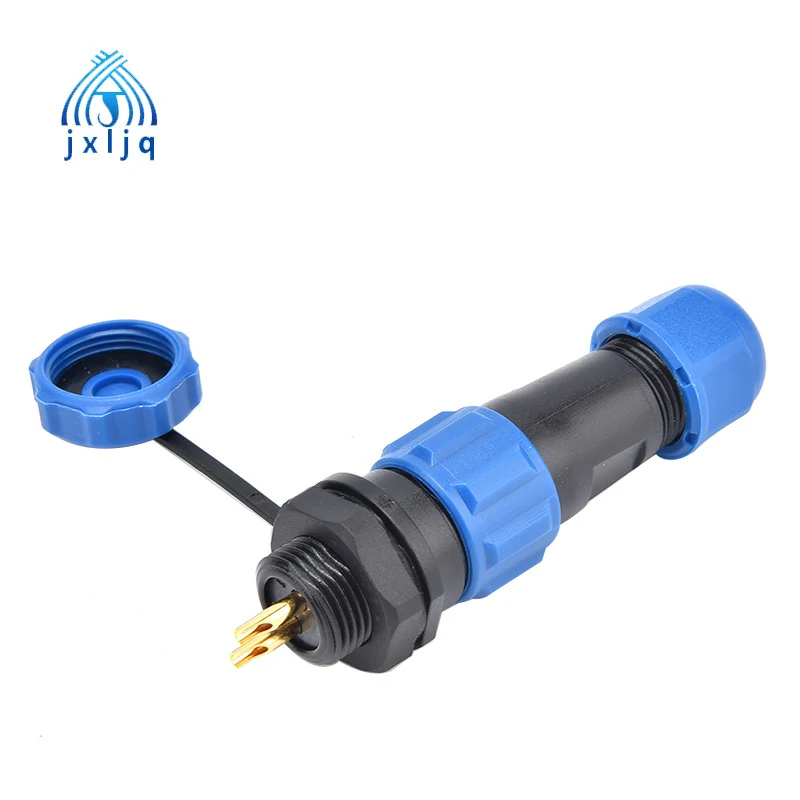
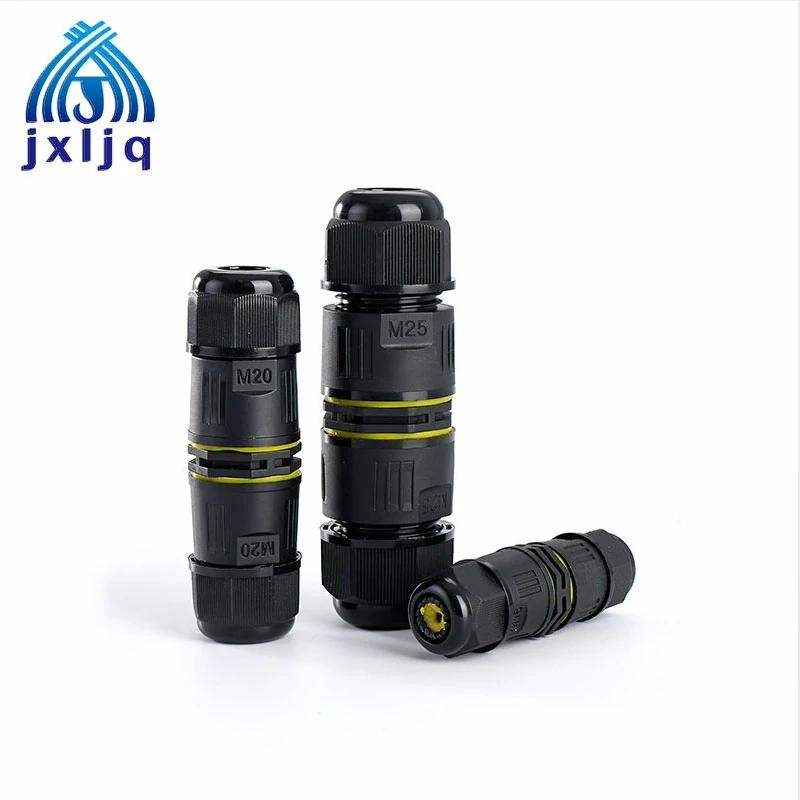
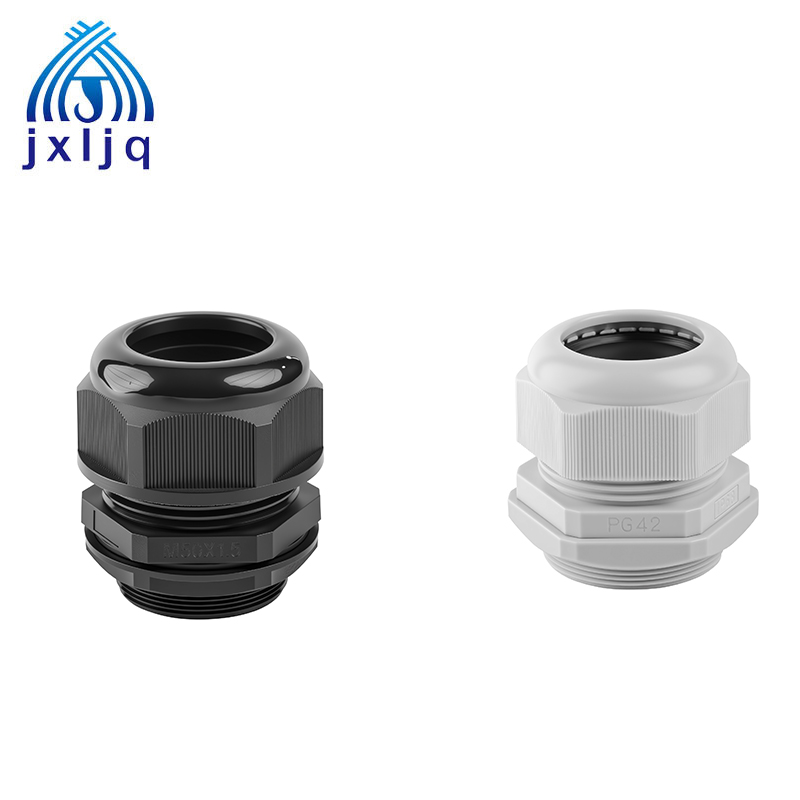
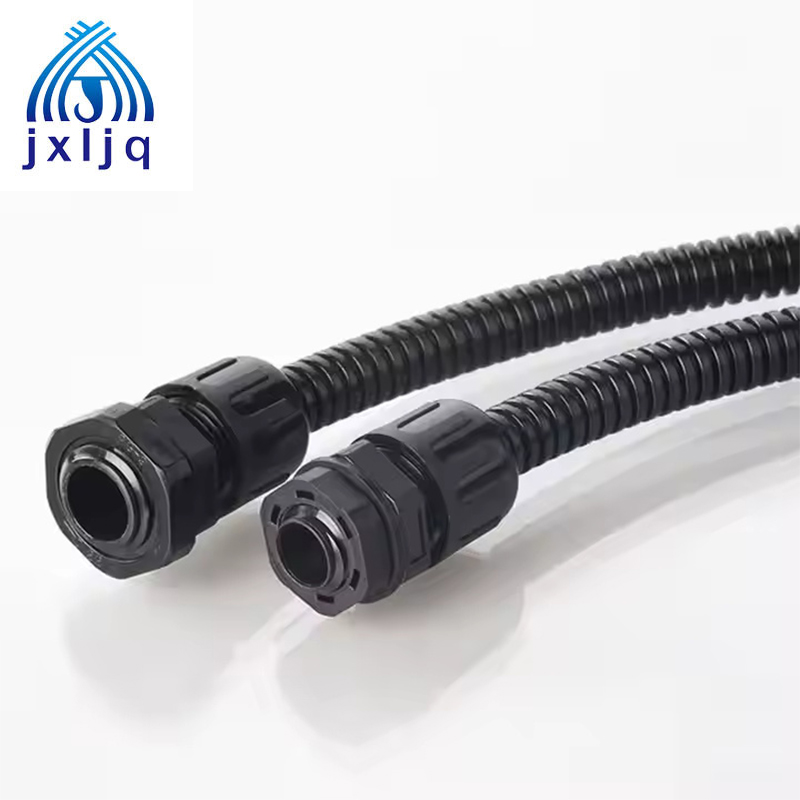
The IP68 Outdoor Waterproof Cable Connector is molded from UV‑stabilized PA66, not commodity nylon. It seals with an O‑ring and a compression nut. It is rated for continuous submersion. An electrician can install it with a screwdriver, not a heat gun.
This article walks through three things: why the material matters (PA66 with UV blockers, not standard nylon), why the pin count matters (2 for low‑voltage lights, 5 for marine pumps), and why a certified IP68 connector ends callbacks for good.
Plastic that doesn’t turn to dust in the sun
Ordinary nylon exposed to UV light becomes brittle. The polymer chains break, the surface cracks, and eventually the housing crumbles when you touch it.
A waterproof connector intended for outdoor use must be made from engineering‑grade PA66 with UV stabilizers. The additive package absorbs ultraviolet radiation before it can break the molecular bonds. The housing stays flexible and strong for more than a decade of direct sunlight.
A parking lot lighting contractor replaced 200 taped splices with these connectors three years ago. He has not returned to any of those poles since.
| Material | UV resistance | Outdoor life | Failure mode |
|---|---|---|---|
| Standard nylon | Poor | 2‑4 years | Cracking, chalking |
| UV‑stabilized PA66 | Excellent | 10‑15+ years | None |
Two pins, three pins, five pins — what changes?
Irrigation solenoids run on two wires (24V AC). Low‑voltage landscape lights use two wires. A 2‑pin connector is enough.
But a 120V pump needs a ground wire — three pins. A marine sensor on a dock might need five pins: three phases for a motor, a neutral, and a ground.
The IP68 connector family is available in 2‑pin, 3‑pin, 4‑pin, and 5‑pin versions using the same housing family. A contractor can standardize on one brand across different voltages and applications.
-
2‑pin: 12‑24V DC (landscape lighting, sensors)
-
3‑pin: 120‑230V AC with ground (pumps, fountain lights)
-
4‑pin: 3‑phase without neutral (industrial irrigation)
-
5‑pin: 3‑phase + neutral + ground (marine, EV chargers)
IP68 — what it actually means for something buried in mud
IP68 means dust‑tight and protected against continuous immersion under conditions specified by the manufacturer. For this connector, the test depth meets or exceeds typical requirements for buried cable splices, pond pumps, and dock‑side equipment.
The seal comes from two places:
-
A rubber insert inside the compression nut that grips the cable jacket
-
A silicone O‑ring between the two halves of the housing
When the nut is tightened, the rubber squeezes around the cable. The O‑ring compresses. Water cannot enter — not from a pressure washer, not from a flooded trench, not from a season of spring rains.
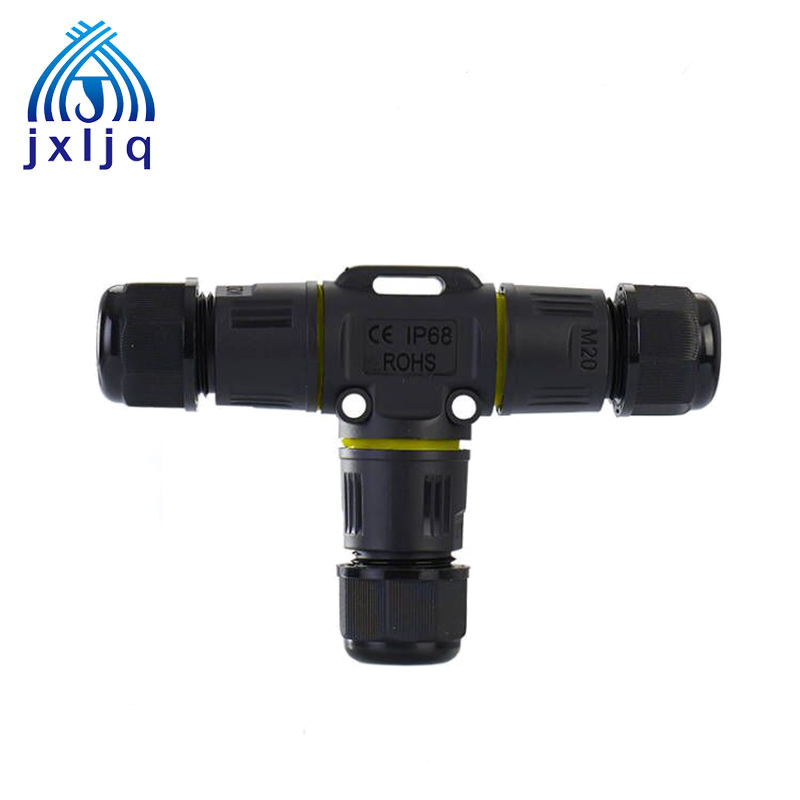
Some outdoor connectors require a special crimping tool, a pull test, and a roll of heat shrink. This connector uses screw terminals.
Strip the wire (0.5mm² to 2.5mm², 20‑14 AWG). Insert it into the terminal. Tighten the screw. That’s it. The screw is captive, so it doesn’t fall out into the mud.
For an electrician working off a ladder or a bucket truck, one less tool is a real time saver. For a DIYer installing backyard lights, it means the difference between a 10‑minute job and a trip to the hardware store for a crimper.
Three times an inspector will fail a taped splice
-
Buried junction boxes are not allowed. The NEC requires splices in underground circuits to be made in listed waterproof enclosures, not in taped plastic boxes. An IP68 connector is a listed device.
-
Tape does not provide strain relief. A pull on the cable can separate the wire nuts. A compression connector grips the jacket, so tension transfers to the housing, not the splice.
-
Tape hides the problem. An inspector cannot see whether a taped splice is corroded without unpeeling it. A transparent or openable connector allows visual inspection.
Where the IP68 outdoor waterproof cable connector fits into a contractor’s inventory
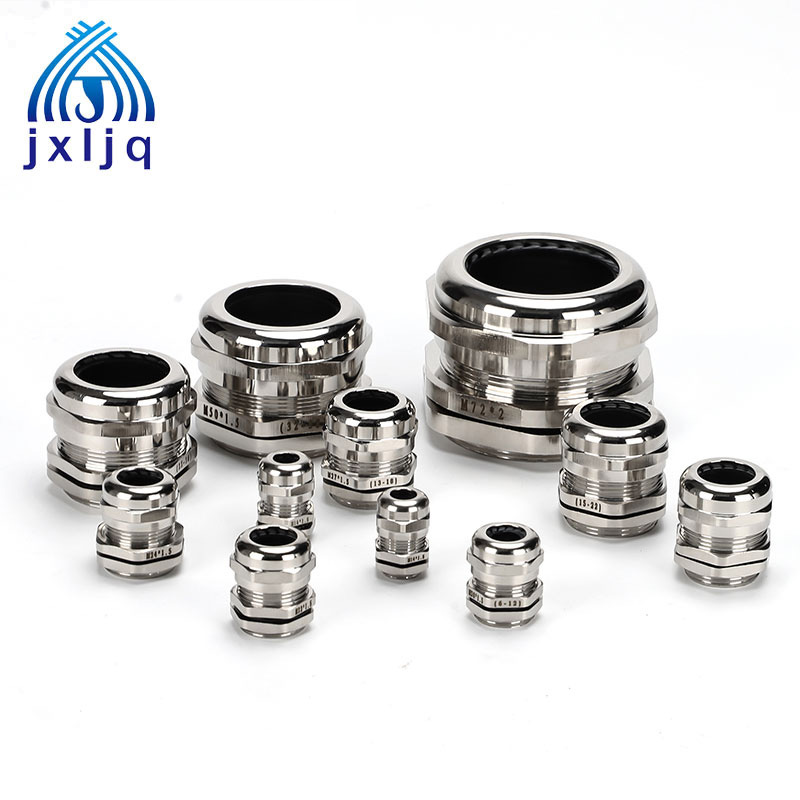
Yueqing JIXIANG Connector Co., Ltd. has manufactured waterproof cable connectors and cable glands for over 12 years. The IP68 Outdoor Waterproof Cable Connector is part of a broader line that includes nylon and metal cable glands, explosion‑proof armored connectors, and solar DC connectors. All share the same material specification (UV‑stabilized PA66), sealing design (O‑ring plus compression nut), and installation method (screw terminals).
For a waterproof connector that eliminates taped splices, survives UV exposure, and passes inspection, the IP68 Outdoor Waterproof Cable Connector delivers PA66 engineering polymer, IP68 sealing, CE and RoHS certifications, and 2‑5 pin configurations for lighting, marine, industrial, and petrochemical installations.
【Request a quote from JIXIANG Connector】
Contact JIXIANG with your required pin count (2, 3, 4, or 5) and cable diameter to receive an IP68 outdoor waterproof connector sample and data sheet.