EN
EN
Does an Explosion-proof Cable Gland Seal Armoured Cable?
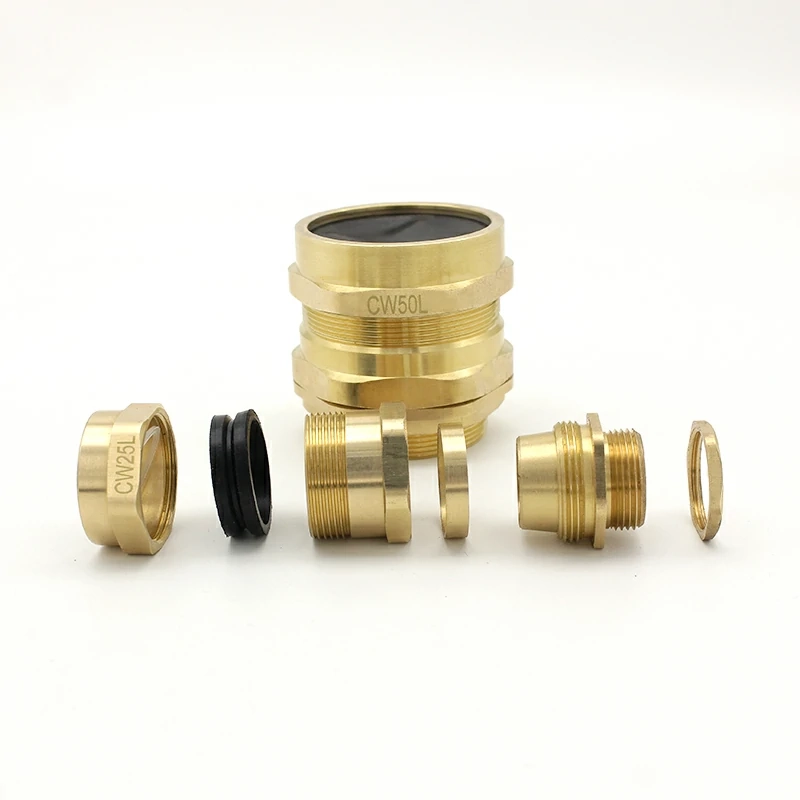
You're routing armoured cable into a junction box in a hazardous area. The cable needs two things from the gland: a seal on the outer sheath to keep moisture and contaminants out, and a mechanical clamp on the armour to hold the cable secure and provide an electrical bond. A Explosion-proof Cable Gland is designed to deliver both functions in a single brass body. This article explains how the single compression design works, what the armour clamp contributes to cable retention and grounding, and what to verify before specifying a gland for your hazardous-area installation.
What Makes the CW Design Different From Other Gland Types?
Single Compression Sealing on the Outer Sheath
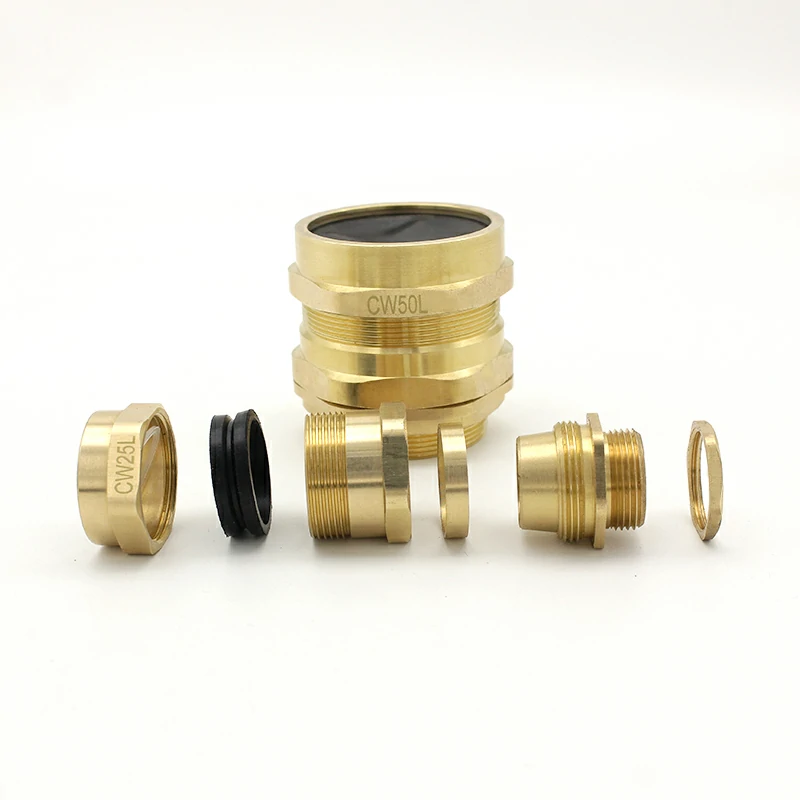
The CW design is a single compression gland. The seal acts on the outer sheath of the cable, not on the inner bedding or the conductors. This means the gland compresses around the cable's exterior, creating a barrier against water, dust, and gases. The sealing mechanism uses a compression nut that tightens the seal uniformly around the sheath, ensuring a consistent IP66 and IP67 rating across the full range of cable diameters.
Armour Clamp for Electrical Bond and Mechanical Retention
The armour clamp is a separate component inside the gland body. When the gland is tightened, the clamp bites into the wire armour, creating both a mechanical grip and an electrical bond. This bond is essential for grounding the cable armour and ensuring fault currents have a path to earth. The clamp also prevents the cable from being pulled out of the gland under tension, which is critical in installations where vibration or movement is present.
How Does Brass Construction Handle Corrosive Environments?
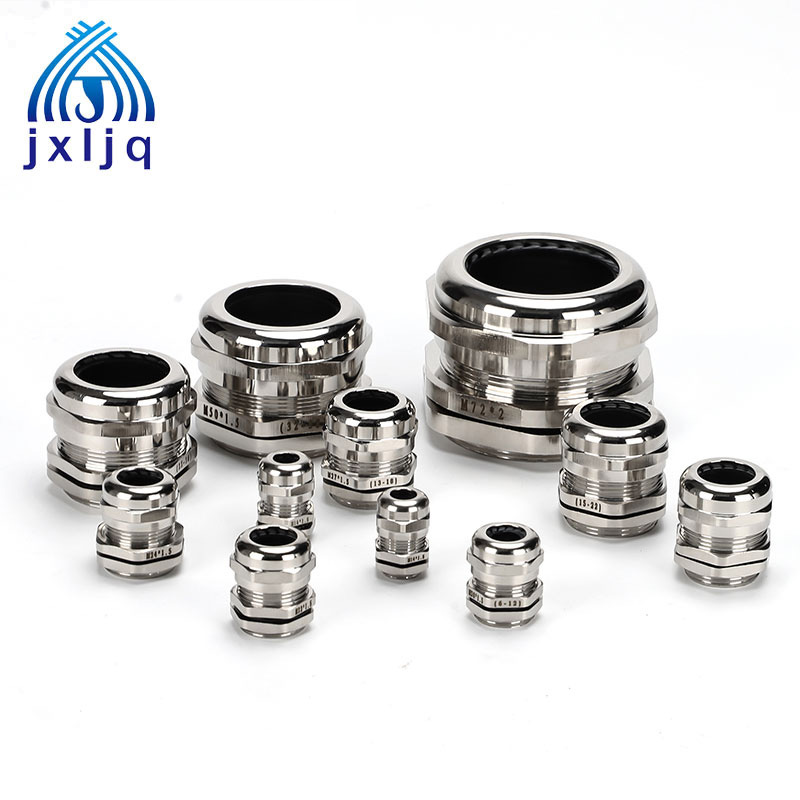
Brass is the standard material for cable glands in industrial environments because it combines mechanical strength with corrosion resistance. The CW series uses brass with an optional nickel-plated finish. The nickel plating adds an extra layer of protection against oxidation and chemical attack, extending the gland's service life in humid, salty, or chemically exposed locations. The brass body provides the structural integrity needed to clamp the armour and compress the seal without deforming under load. For offshore platforms, chemical plants, and coastal installations, this combination of materials delivers reliable performance over years of exposure.
Nickel Plating for Extended Service Life
The optional nickel plating provides a harder surface that resists scratching and abrasion, and it maintains the gland's appearance in visible installations. More importantly, it reduces the rate of corrosion in environments where moisture and pollutants are present.
Mechanical Strength for Armour Clamping
The brass body must withstand the compression forces applied when the gland is tightened onto the cable armour. Brass provides the necessary strength without cracking or stripping the threads, ensuring the gland can be installed and re-tightened without compromising its sealing or clamping performance.
Technical Specifications Across the CW Series
| Parameter | Specification |
|---|---|
| Type | CW (Single Compression Gland) |
| Material | Brass, with or without nickel plating |
| Standard | BS6121 |
| Protection Class | IP66 & IP67 |
| Temperature Range | -20°C to +80°C |
| Thread Options | Metric, NPT, BSP, PG |
| Application | Indoor or outdoor use with all types of SWA cables |
| Accessories | PVC shrouds, locknuts, earth tags |
Cable Size Range and Thread Options
The CW series covers a broad range of cable sizes. The JX-CW20S handles cables from 11.8mm to 17.8mm, while the JX-CW75L extends to cables up to 73.0mm. Thread options include metric, NPT, BSP, and PG, allowing the gland to be specified for different enclosure standards used in different regions.
Accessories for Complete Installations
The CW series is supported by a range of accessories that simplify installation and enhance performance. PVC shrouds protect the gland from dust and provide a finished appearance. Locknuts secure the gland to the enclosure wall. Earth tags provide a dedicated grounding point for the armour bond.
Where Are CW Glands Deployed in Hazardous Areas?
The CW gland is used in any installation where armoured cable must enter an enclosure in a potentially explosive atmosphere. This includes oil and gas production facilities, refineries, chemical processing plants, and any location classified as Zone 1, Zone 2, Zone 21, or Zone 22. The gland's IP66/IP67 rating makes it suitable for outdoor installations where rain, hose-down, or temporary immersion may occur. The temperature range of -20°C to +80°C covers the ambient conditions found in most industrial environments, from cold storage areas to hot process facilities.
Oil and Gas Production Facilities
Onshore and offshore production sites require cable terminations that withstand salt spray, humidity, and hydrocarbons. The brass construction and nickel plating option provide the corrosion resistance needed for these demanding environments.
Chemical and Petrochemical Plants
Chemical processing facilities expose equipment to corrosive vapors and liquids. The CW gland's sealing system prevents these substances from entering the enclosure, while the brass body resists chemical attack.
Refineries and Storage Terminals
Refineries and fuel storage terminals operate under strict hazardous-area classifications. The CW gland's BS6121 compliance and IP66/IP67 rating make it suitable for these high-risk installations.
What Should You Verify Before Ordering?
Cable Diameter and Armour Range
The gland must match the cable's overall diameter and armour wire size. The CW series is available in short and long versions for each thread size, covering a range of cable diameters. Verify that the selected gland accommodates both the outer sheath diameter and the armour wire dimensions.
Thread Compatibility With the Enclosure
The gland thread must match the entry thread on the enclosure. Metric, NPT, BSP, and PG options are available. Confirm the thread standard and size before ordering, and ensure the enclosure has sufficient thread engagement for a secure installation.
Accessory Requirements
Decide whether PVC shrouds, locknuts, or earth tags are needed for the installation. Earth tags are particularly important in hazardous areas where a reliable armour bond is required for safety.
Common Questions From Installation Engineers
What is the difference between a CW gland and a standard cable gland?
A standard cable gland seals on the outer sheath but does not provide a specific armour clamp. The CW gland includes an armour clamp that grips the wire armour, providing both mechanical retention and an electrical bond. This makes it suitable for SWA (steel wire armour) cables in hazardous areas.
Can the CW gland be used with non-armoured cable?
The CW design is intended for armoured cable. If you're using non-armoured cable, a different gland type without the armour clamp would be more appropriate. The CW gland's sealing mechanism works on the outer sheath, but the armour clamp would have nothing to grip.
What temperature range does the gland support?
The standard CW gland operates from -20°C to +80°C. For higher temperature applications, alternative materials or sealing compounds may be required. Verify the temperature rating against the actual operating conditions at the installation point.
What maintenance does the gland require?
The CW gland is a passive component with no moving parts. Periodic inspection of the sealing nut for tightness and the armour clamp for corrosion is recommended. In corrosive environments, the nickel-plated option provides additional protection.
Request a CW Cable Gland Configuration
An Explosion-proof Cable Gland with brass construction, BS6121 compliance, and IP66/IP67 sealing is the practical choice for armoured cable termination in hazardous industrial areas. The CW Ex Proof Cable Gland from Jixiang delivers brass construction with optional nickel plating, BS6121 standard compliance, IP66/IP67 protection class, -20°C to +80°C temperature range, metric, NPT, BSP, and PG thread options, and compatibility with all types of SWA cables for indoor or outdoor use.
Whether you're terminating armoured cable in an oil refinery, a chemical plant, or an offshore platform, this gland offers the sealing integrity and armour clamping that hazardous-area installations demand. With a full range of cable sizes and thread standards, it adapts to your specific enclosure and cable requirements.
Contact Jixiang for a cable gland configuration assessment → their team can help you select the right size, thread standard, and accessories for your specific cable diameter and enclosure type. Get an Explosion-proof Cable Gland that seals the sheath and clamps the armour — so your hazardous-area installation stays safe and secure.