EN
EN
Comparing Waterproof Cable Connectors: A Brief Guide
In today’s world of electrical installations, protecting cables and connectors from the elements is critical to ensure safety, reliability, and longevity. Whether you’re working in outdoor environments, marine conditions, or industrial settings, waterproof cable glands are an essential component for safeguarding your electrical system. This article will delve into the key aspects of waterproof cable glands, the factors to consider when selecting one, the most popular types, installation tips, and common mistakes to avoid.
What Makes a Waterproof Cable Gland?
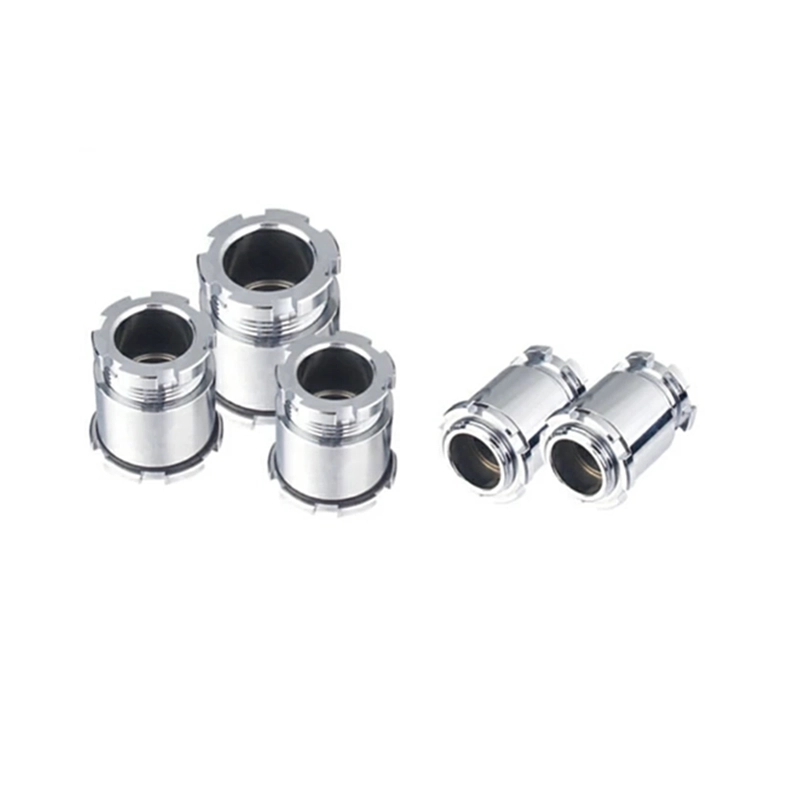
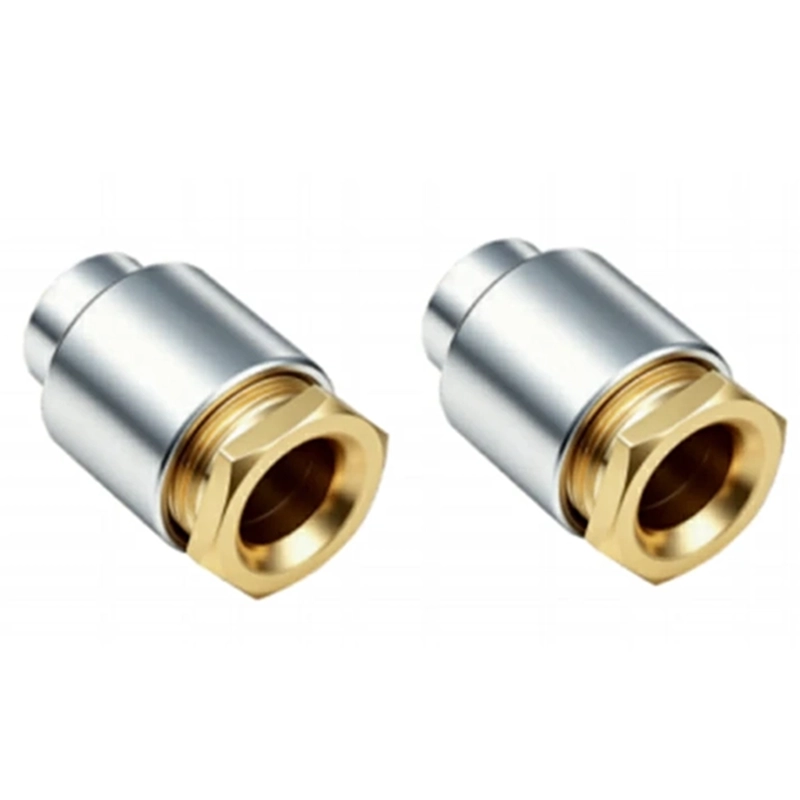
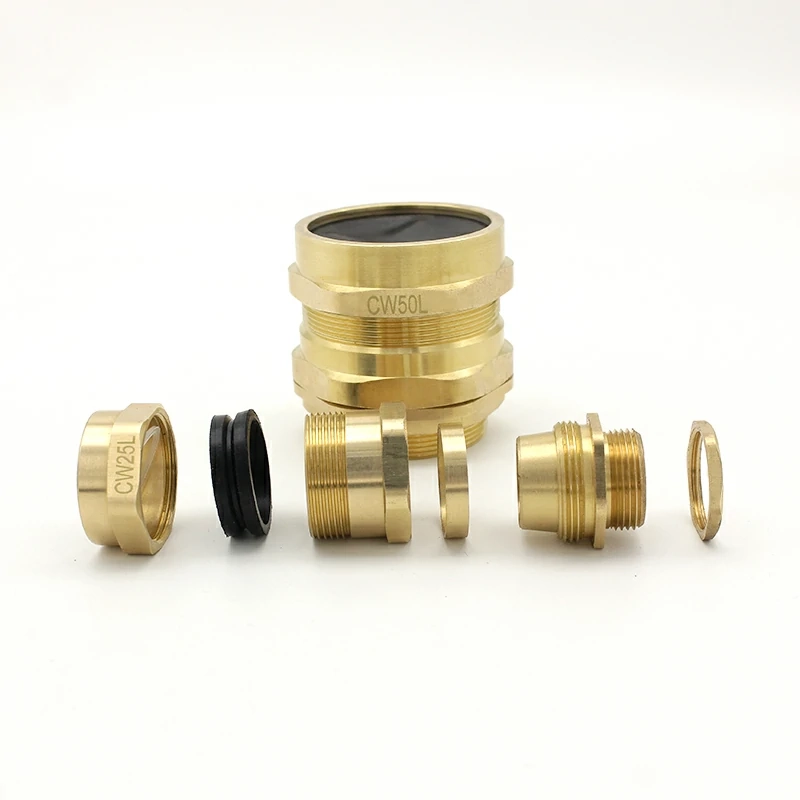
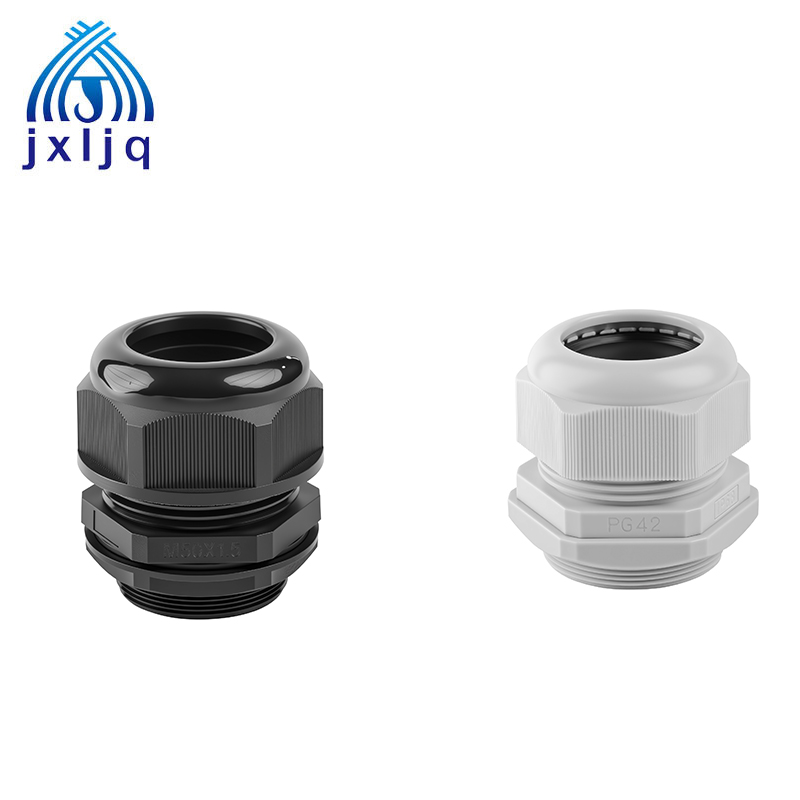
A waterproof cable gland is a mechanical device used to securely attach and seal the end of an electrical cable to an enclosure, ensuring that it is protected from moisture, dust, and other environmental elements. These glands prevent water ingress, which can lead to electrical faults, equipment damage, and safety hazards. The gland consists of a sealing mechanism (such as rubber or silicone) and a locking feature that ensures the cable is held firmly in place.
Key Factors to Consider When Choosing Waterproof Cable Glands
When selecting a waterproof cable gland, several factors must be taken into account to ensure you choose the right product for your specific application. Here are the most important considerations:
1. IP Rating (Ingress Protection)
The IP rating indicates the level of protection a cable gland provides against water and dust. The higher the IP rating, the more resistant the gland is to external factors. For example, an IP68-rated gland provides total dust ingress protection and can withstand immersion in water for extended periods.
2. Material of the Gland
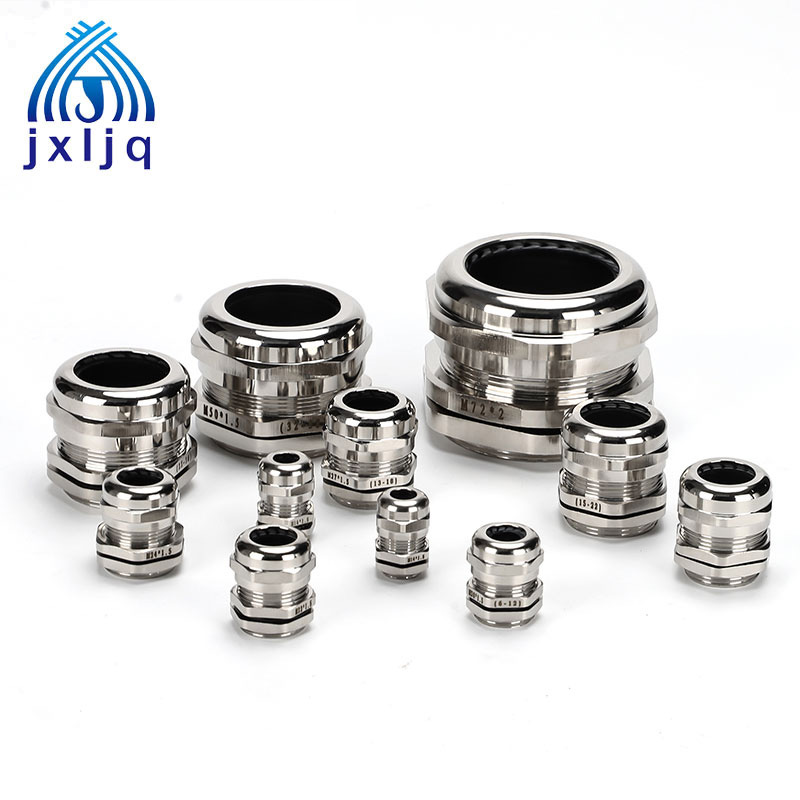
Waterproof cable glands come in a variety of materials, including brass, stainless steel, and plastic. The material should be chosen based on the environment in which the gland will be used. Stainless steel, for instance, is ideal for marine or harsh industrial environments due to its corrosion resistance.
3. Cable Size and Type
The gland should match the size and type of the cable it will be used with. Ensure that the gland is compatible with the outer diameter of the cable and that it can properly grip and seal it. It is important to select a gland that provides a tight, secure fit.
4. Environmental Conditions
Consider the external factors the gland will be exposed to, such as temperature fluctuations, UV rays, chemicals, or oils. For instance, if the environment includes exposure to chemicals, a gland made from chemical-resistant materials will be necessary.
5. Pressure and Vibration Resistance
If the installation is subject to high levels of mechanical stress, such as in automotive or industrial applications, it is important to choose a gland that can withstand pressure and vibration without losing its sealing properties.
Popular Waterproof Cable Gland Types
There are several types of waterproof cable glands, each suited for different applications:
1. PG (Panzergewinde) Threaded Glands
These glands are commonly used in industrial environments. They feature a robust, threaded design that ensures a secure connection and are resistant to vibrations and mechanical stress.
2. Metric Threaded Glands
These glands are popular in a variety of industries and are designed to provide a tight seal, protecting against moisture and dust. The metric thread design ensures compatibility with international standards.
3. NPT (National Pipe Thread) Glands
Commonly used in North America, NPT glands offer high-performance sealing against water ingress. They are often used in oil and gas applications, where durability is paramount.
4. Marine Waterproof Cable Glands
Specifically designed for use in marine environments, these glands are resistant to saltwater and other corrosive elements. They are usually made from marine-grade stainless steel or brass for added durability.
Installation Tips for Waterproof Cable Glands
Proper installation of waterproof cable glands is crucial to ensure their effectiveness. Here are some essential tips:
1. Choose the Right Size Gland: Selecting a gland that is too large or too small for your cable can compromise its sealing ability. Always ensure that the gland is compatible with the cable size.
2. Ensure Proper Tightening: The gland should be tightened securely, but not over-tightened, to prevent damage to the cable or the gland itself. Follow the manufacturer's guidelines for torque settings.
3. Use Gaskets or Seals: Ensure that the gland is properly sealed with the appropriate gasket or rubber seal to prevent water ingress. Check for any damage to seals before installation.
4. Check for Stress Relief: Some glands come with built-in strain relief to reduce stress on the cable. Ensure that the cable is properly supported to avoid putting undue pressure on the gland.
Common Mistakes to Avoid When Selecting Waterproof Cable Glands
To avoid failures in your installation, be mindful of the following common mistakes:
1. Choosing the Wrong IP Rating: An IP rating that is too low for the intended environment can leave your cables vulnerable to water or dust ingress. Always match the IP rating with the environmental conditions.
2. Ignoring Environmental Factors: Using a gland made from materials that are not suitable for harsh environments (e.g., UV exposure or chemical resistance) can lead to premature failure.
3. Overlooking Cable Size: Failing to properly match the gland to the cable size is a common error that can lead to poor sealing and water ingress. Always check the dimensions before purchasing.
4. Improper Installation: Failing to install the gland according to the manufacturer’s instructions can compromise its waterproof properties. Always follow the recommended installation guidelines.
Conclusion
Choosing the right waterproof cable gland is essential to ensure that your electrical installations are protected against water, dust, and other environmental hazards. Consider the key factors such as IP rating, material, and cable compatibility when making your selection. By understanding the different types of waterproof cable glands and avoiding common mistakes, you can ensure that your installation remains secure and reliable for years to come.
FAQ
1. What is the difference between an IP68 and IP67-rated waterproof cable gland?
An IP68-rated gland provides protection against continuous immersion in water, whereas an IP67-rated gland can withstand immersion for up to 30 minutes at a specific depth.
2. Can I use a waterproof cable gland in high-temperature environments?
Yes, but you need to select a gland made from materials that are resistant to high temperatures, such as silicone rubber or metal.
3. How do I choose the correct waterproof cable gland for outdoor use?
For outdoor use, look for a gland with a high IP rating (IP66 or IP68) and made from UV-resistant material to withstand harsh weather conditions.