EN
EN
Can an Aviation Connector Withstand Constant Vibration?
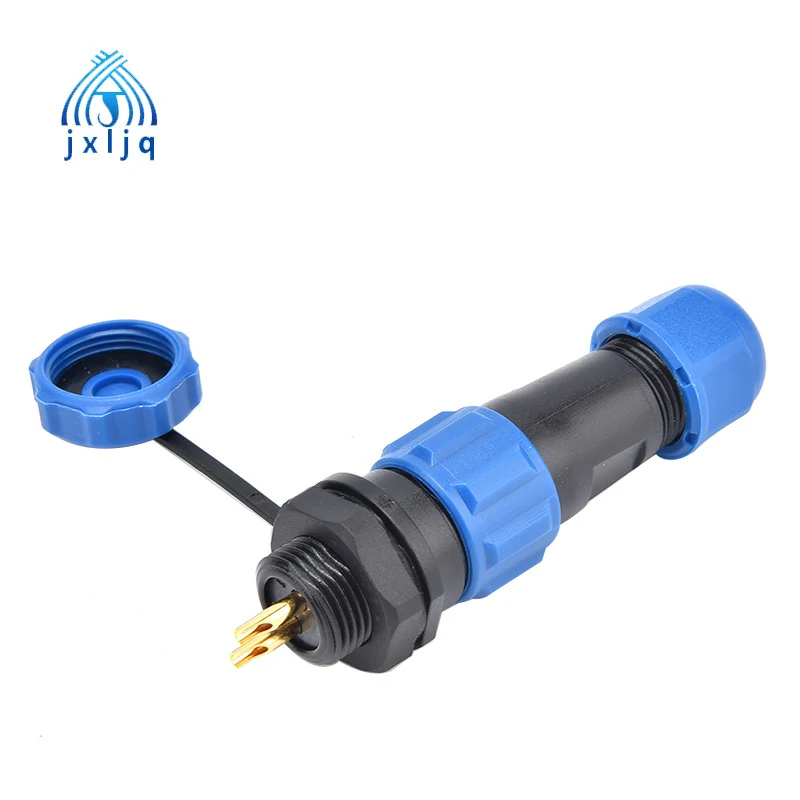
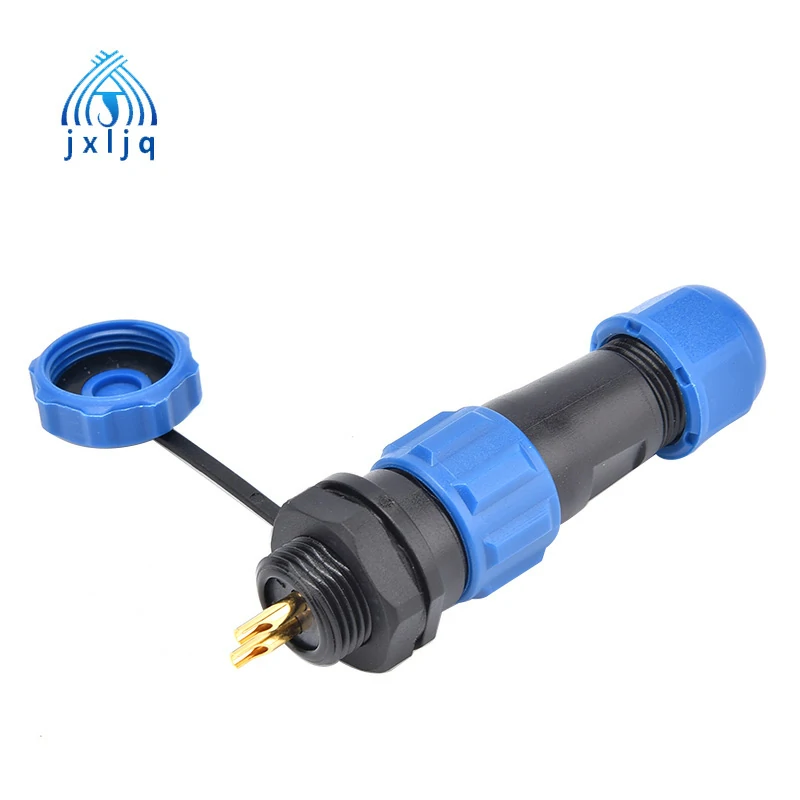
You're specifying connectors for equipment that never stops moving—industrial machinery, marine engines, aviation systems. Vibration loosens standard connectors, causing intermittent signals, contact wear, and eventual failure. An Aviation Connector with a threaded coupling and robust contact design resists this constant motion. The SD Waterproof Connector was engineered with a threaded locking mechanism that prevents accidental disconnection and a Nylon PA66 housing that maintains its grip under vibration. This article explains why vibration is one of the most overlooked causes of electrical failure, how the threaded coupling and contact system work together to maintain connection integrity, and what to look for when specifying connectors for dynamic environments.
What Engineers Ask Before Specifying a Connector
Vibration Resistance, Threaded Coupling, and Material Construction
Q: How does the SD connector resist vibration loosening?
A: The connector uses a threaded coupling that mechanically locks the mating halves together. Unlike bayonet or push-pull connectors that can work loose under vibration, the threaded connection requires deliberate rotation to disconnect. The rubber gasket also acts as a vibration damper, absorbing energy that would otherwise loosen the coupling.
Q: What materials and pin configurations are available?
A: The connector body is made from Nylon PA66—a flame-retardant, high-strength thermoplastic. Contacts are gold-plated brass for oxidation resistance and stable conductivity. Available pin configurations include 2, 3, 4, 5, 6, 7, and up to 26 pins depending on the model. Rated current is 25A at 380V AC, with insulation resistance of 2000 MΩ.
Why Vibration Is a Silent Killer for Electrical Connections
Vibration doesn't destroy a connector in one dramatic event. It works slowly, loosening the coupling thread by thread, wearing away contact plating, and introducing microscopic gaps that lead to arcing and oxidation. In industrial settings, machinery vibrates constantly. On ships, engines and hulls transmit vibration through every mounted component. In aviation, airframes flex and engines rumble. A connector that isn't designed for these conditions will fail prematurely—often without warning. The SD connector's threaded coupling directly addresses this failure mode by providing a mechanical lock that resists vibration-induced rotation. The gold-plated contacts maintain low resistance even after thousands of micro-movements, and the Nylon PA66 housing absorbs vibration energy rather than transmitting it to the contacts.
What Happens When a Connector Loosens Under Vibration
When a connector loosens, contact pressure drops. Lower pressure means higher contact resistance, which generates heat. Heat accelerates oxidation, which further increases resistance. This cycle continues until the connection fails completely—often intermittently at first, making diagnosis difficult. In critical systems, an intermittent connection can cause equipment malfunction, data loss, or safety hazards.
How Threaded Coupling Prevents Vibration Loosening
The threaded coupling requires multiple rotations to disconnect. Vibration might cause a fraction of a rotation over time, but the thread engagement is deep enough that the connector remains fully mated. The rubber gasket adds friction against the coupling, further resisting rotation. For applications where vibration is severe, the threaded design is the most reliable mechanical solution.
Specifications Across the SD Series
| Parameter | SD Series Specification |
|---|---|
| Protection Grade | IP68 |
| Sealing Protection | 1.4m water depth for 2 weeks |
| Housing Material | Nylon PA66 (flame retardant) |
| Contact Material | Gold-plated brass |
| Insulator | Thermoplastic PPS (260°C resistance) |
| Rated Current | 25A |
| Rated Voltage | 380V AC |
| Insulation Resistance | 2000 MΩ |
| Contact Resistance | < 5 mΩ |
| Temperature Range | -25°C to +85°C (standard) / -40°C to +105°C (advanced) |
| Mating Cycles | > 500 |
| Salt Fog Test | 48 hours in 5% NaCl |
| Thread Connection | G3/8 (SD16) / threaded coupling |
Applications Where Vibration Resistance Is Essential
The SD series serves environments where constant motion is a fact of life:
aviation-connectorMarine and Shipbuilding
Shipboard electronics are exposed to engine vibration, hull flexing, and constant motion. The SD connector's threaded coupling prevents loosening, and the IP68 sealing keeps out saltwater spray. The 48-hour salt fog resistance ensures that corrosion doesn't compromise the connection.
Industrial Machinery and Automation
Factory equipment vibrates continuously—motors, conveyors, presses, and robots all transmit vibration to mounted connectors. The SD connector's mechanical lock and gold-plated contacts maintain stable electrical performance even in these dynamic conditions.
Aviation and Transportation Systems
Aircraft and ground vehicles experience vibration from engines, aerodynamics, and road surfaces. The SD connector's wide temperature range and vibration-resistant coupling make it suitable for these demanding applications.
Outdoor Lighting and Power Distribution
Outdoor installations face vibration from wind, traffic, and temperature cycling. The SD series maintains sealing integrity and contact pressure, ensuring reliable power delivery in exposed locations.
Common Questions About Vibration-Resistant Connectors
Q: What's the difference between threaded coupling and bayonet coupling?
A: Threaded coupling uses multiple rotations to lock the connector, providing high resistance to vibration loosening. Bayonet coupling uses a quick twist-lock mechanism—faster to mate but more susceptible to working loose under sustained vibration. For dynamic environments, threaded coupling is the more reliable choice.
Q: How does the gold plating help with vibration?
A: Gold is soft and ductile, so it maintains contact even when microscopic movements occur. It also resists oxidation, which is critical because vibration creates tiny gaps where oxygen can reach the base metal. Gold-plated contacts maintain low resistance across thousands of vibration cycles.
Q: What maintenance do vibration-resistant connectors require?
A: Routine inspection of the coupling thread and gasket is recommended. If the thread shows wear or the gasket hardens, replacement is necessary. The threaded coupling should be tightened to the specified torque after any maintenance.
Q: Can the connector be used in high-temperature applications?
A: Yes. The standard model operates from -25°C to +85°C. The advanced model extends the upper limit to +105°C. The PPS insulator resists temperatures up to 260°C, providing additional thermal margin.
Q: What certifications does the SD series carry?
A: The manufacturer holds CE, IP68, ROHS, EX, ATEX, TUV, and ISO9001 certifications, reflecting compliance with international standards for safety, environmental protection, and quality management.
Request a Waterproof Connector Configuration
An Aviation Connector with a threaded coupling, IP68 sealing, and gold-plated contacts is the practical choice for electrical systems exposed to constant vibration, moisture, and temperature extremes. The SD Waterproof Connector delivers IP68 protection with 1.4m water depth for 2 weeks, Nylon PA66 flame-retardant housing, gold-plated brass contacts with 2000 MΩ insulation resistance, 25A/380V rated current, >500 mating cycles, and 48-hour salt fog resistance.
Whether you're specifying connectors for marine engines, industrial machinery, aviation systems, or outdoor equipment, this connector offers the mechanical locking and material durability that dynamic environments require. With multiple pin configurations available, it adapts to your specific signal and power transmission needs.
Contact Jixiang for a waterproof connector configuration assessment → their team can help you select the right pin count, thread size, and model for your specific application and environmental conditions. Get a connector that stays locked in—no matter how much the world around it shakes.