EN
EN
Do You Need an EMC Cable Gland for Your Panel?
You‘re designing a control cabinet. The components are selected, the wiring is planned, and the enclosure is ready. Then you pause at the cable entry points — the holes where power and signal cables pass through the panel wall. Standard cable glands will seal them. But do you need more? Do you need an EMC cable gland?
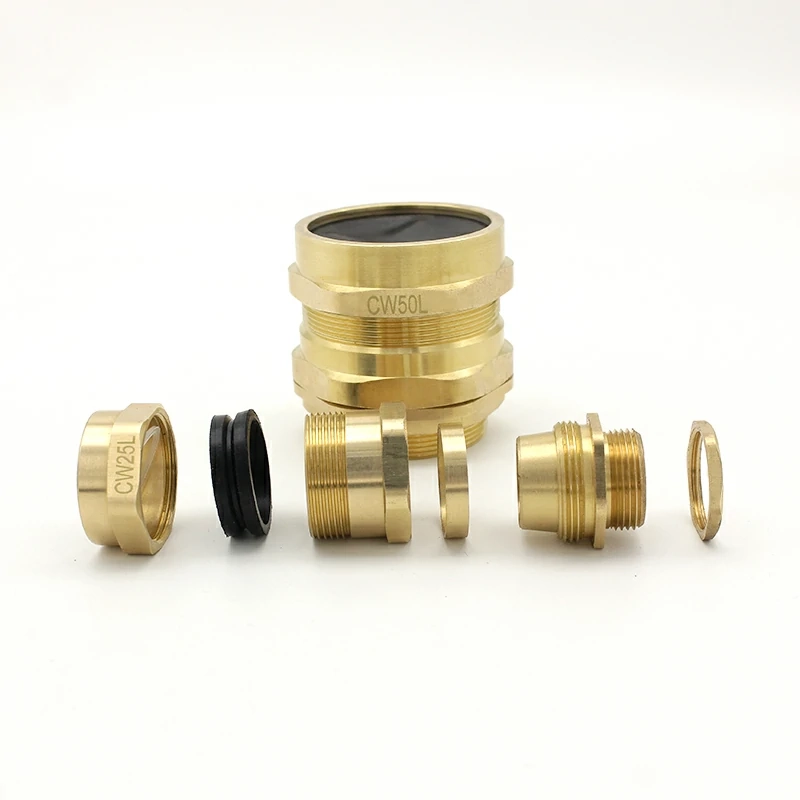
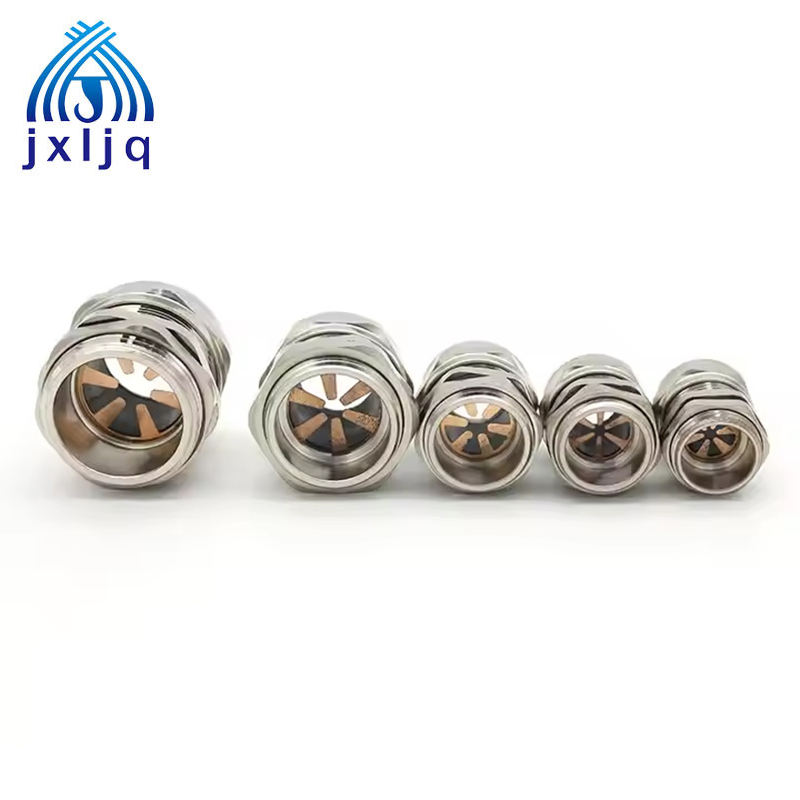
The answer depends on what’s inside your panel and what‘s outside it. An EMC cable gland is specially designed for electromagnetic compatibility, using quality materials and precise manufacturing to ensure signal stability and resist interference. It provides a shielded path through the enclosure wall, maintaining the integrity of your shielding system. This guide helps you decide whether you need one — and if so, how to choose the right one.
What an EMC cable gland actually does
An EMC cable gland does two things at once. It seals the cable entry — and it maintains the shield continuity.
Protects signals from electrical noise
Industrial environments are full of electromagnetic interference — variable frequency drives, motors, switching power supplies, and welding equipment all generate noise. That noise can couple into unshielded cables at the entry point, corrupting control signals and sensor data. An EMC cable gland provides a low-impedance path from the cable shield to the panel ground, diverting interference away from your signals.
Maintains shielding effectiveness across the enclosure boundary
A shielded cable is only effective if the shield is continuous. At the cable entry point, the shield is interrupted — unless you use an EMC cable gland. The gland makes consistent, circumferential contact with the cable braid or foil, maintaining shield continuity from the cable to the panel. Without it, your shielded cable is compromised at the weakest point.
Uses quality materials for reliable contact
EMC cable glands use quality materials and precise manufacturing to ensure signal stability and resist interference. The shielding contact between the gland and the cable braid must be low-resistance and consistent across the full circumference of the cable. Without that consistent contact, the shielding effectiveness is reduced — and you‘re paying for shielded cable without getting the protection.
When you need one — and when you don‘t
The decision comes down to the electromagnetic environment and the sensitivity of your equipment. Here’s how to decide.
Signals that are sensitive to interference
If your panel contains sensitive electronics — sensors, analog signals, communications, data acquisition — you need an EMC cable gland. Even small amounts of noise can corrupt sensor readings or cause communications errors. If you‘re using shielded cable, the EMC cable gland is the component that makes the shield actually work at the entry point.
High-noise environments
If your panel is near variable frequency drives, motors, welding equipment, or power supplies, the electrical noise is high. An EMC cable gland is essential to keep that noise out of your sensitive circuits. In high-noise environments, standard cable glands don’t provide enough protection.
Regulatory requirements
Some applications are subject to EMC regulations — CE marking, FCC compliance, or industry-specific standards. In these cases, EMC cable glands are not optional. They‘re required to meet the emissions and immunity requirements of the standards.
When a standard cable gland is enough
If your panel only contains power circuits, if there’s no sensitive electronics, and if the electromagnetic environment is quiet, a standard cable gland may be sufficient. But if you‘re using shielded cable or the panel controls sensitive equipment, you need the EMC version.
Below is a quick reference table for EMC cable gland applications:
| Application | EMC Required? | Why |
|---|---|---|
| Industrial control | Yes | VFDs and motors create noise |
| Sensor panels | Yes | Sensitive analog signals |
| Communications | Yes | Data integrity |
| Lighting control | Depends | If dimmers or VFDs are used |
| Power distribution | No | No sensitive signals |
| HVAC control | Depends | If VFDs are present |
| Panel near welding | Yes | High electromagnetic noise |
Features that make the difference
JIXIANG Connectors has over 12 years of experience in waterproof cable connector manufacturing. The company‘s EMC cable glands are built with specific features that address the needs of demanding applications.
High durability and resistance to harsh environments
EMC cable glands offer high durability, ease of installation, and strong resistance to harsh environments. In industrial settings, that durability translates to longer service life and fewer replacements. In outdoor applications, it means reliable performance through temperature extremes and moisture exposure.
Customization support for specific requirements
Support for customization is built into the product offering. For engineers with non-standard requirements — unusual cable diameters, specific thread sizes, or special materials — customization options ensure you get the right gland for the job.
Quality assurance that protects your investment
JIXIANG has invested heavily in quality testing facilities to ensure that every product that leaves the factory meets high standards. For procurement teams, that quality assurance means consistent product quality across every shipment. For engineers, it means reliable performance in the field.
Questions panel builders ask
Q: What makes an EMC cable gland different from a standard cable gland?
A: An EMC cable gland is specially designed for electromagnetic compatibility, using quality materials and precise manufacturing to ensure signal stability and resist interference. It provides a shielded path through the enclosure wall, maintaining the integrity of your shielding system. A standard cable gland seals the entry point but doesn't provide the same level of EMC protection.
Q: What applications are EMC cable glands used in?
A: EMC cable glands are used in a variety of environments, covering a wide range of international installation codes from IEC to NEC. They're found in industrial control, automation equipment, communications, lighting systems, charging stations, petrochemical pipelines, and marine vessels.
Q: What materials are used in EMC cable glands?
A: JIXIANG uses quality materials in its cable glands. The company has over 12 years of experience in waterproof cable connector manufacturing and supports customization for specific material requirements.
Q: What documentation and support are available?
A: Technical data sheets, installation guides, and FAQs are available to help customers understand the technical aspects of the products. This documentation supports engineers during specification, installation, and troubleshooting.
Why JIXIANG Connectors is the right source for EMC cable glands
JIXIANG Connectors has been manufacturing cable glands for over 12 years, with a focus on quality, durability, and customer support. The company's EMC cable glands are designed for electromagnetic compatibility, using quality materials and precise manufacturing to ensure signal stability and resist interference.
The product range covers a variety of environments and a wide range of international installation codes from IEC to NEC. Technical data sheets, installation guides, and FAQs are available to help customers understand the technical aspects of the products. For engineers and procurement teams, that combination of product quality and technical support makes JIXIANG Connectors a reliable partner for EMC cable gland requirements.
Before you specify EMC cable glands for your next project, evaluate your application environment, cable types, and shielding requirements. The right EMC cable gland ensures that your signals stay clean, your systems stay reliable, and your installations meet the standards they need to meet.
Ready to specify EMC cable glands for your industrial or automation project? Contact JIXIANG Connectors for a quote or technical consultation. Share your application type, cable specifications, and environmental requirements — their team can recommend the right EMC cable gland configuration for your specific needs.